Rising refuse sparks health concerns in Imo
 admin
admin
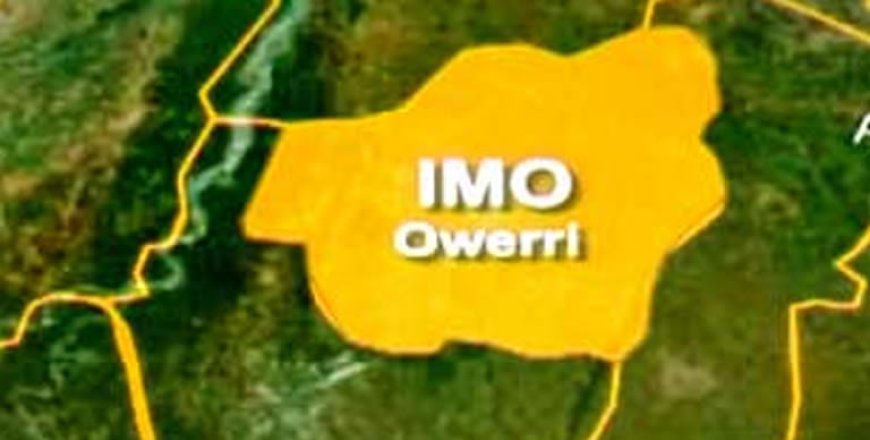
Residents of Owerri, the Imo State capital, have raised concerns over a potential outbreak of Lassa fever and other diseases following the accumulation of refuse across the city.
The situation has worsened with recent rainfall, which exacerbates the stench and decomposition of the waste.
Refuse accumulation has also caused traffic congestion along Douglas Road, where one lane has been blocked, and at World Bank Last Roundabout, Orji, Jehovah Jireh along Egbu Road, Umuguma Hospital Road, Amakaohia, and Irete.
Eastern Waste Management Company, which is responsible for clearing refuse in the state, recently called for patience via social media, without specifying when the waste would be cleared.
We hear you. We see the concerns. And we are responding. Our teams are actively working to improve the current situation across Owerri, with ongoing efforts focused on waste evacuation and environmental cleanup in key areas.
“While progress may not be immediate in every location, please be assured that coordinated actions are underway to restore cleanliness across the city. We appreciate your patience and continued cooperation,” EWAMAC posted on Facebook.
Radio stations have begun warning the public about the dangers posed by the uncleared waste.
Some residents expressed frustration on social media.
Promise Chigozirim wrote, “They are the worst in waste management; the entire state is dirty.”
Chimezie Ebosim added, “This is the most useless agency/company in Imo State right now. The whole of Owerri is littered with waste and stinks.”
Reacting to the potential dangers of accumulated refuse, Associate Director on Climate at Corporate Accountability and Public Participation Africa, Martins Ogunlade, described the situation as a “creeping disaster.”
He explained that uncollected waste blocked drainage, turning manageable rainfall into floods and creating habitats for disease vectors such as rats, mosquitoes, and cockroaches.
“Refuse, when left uncleared and allowed to accumulate, isn’t just an eyesore; it’s a creeping disaster that communities face.
“Often, it is a reflection of regulatory failure and community oversight. The dangers of indiscriminate refuse dumping and uncollected waste are living hazards.
They block water channels and turn manageable rainfall into floods, further straining the environment. They also provide easy habitat for rats, mosquitoes, and cockroaches.
“In cities with huge populations, it can trigger urban heat and increase the chances of a fire outbreak,” Ogunlade said.
On health impacts, he noted, “Stagnant water trapped in refuse is a breeding ground for malaria and other dengue vectors.
“Rotting organic waste releases pathogens that contaminate groundwater and soil, impacting the quality of farm produce. Children and young adults playing near waste face risks of respiratory illness from toxic gases, including methane and hydrogen sulfide.
“These gases also contribute to climate change. This is why there is an increase in skin diseases, cholera, and even certain cancers reported.”
Ogunlade warned that in a country with rising poverty indices, the cost of healthcare increases when waste is dumped indiscriminately.
He urged authorities to prioritise prompt waste disposal, provide emergency funds to address the menace, and implement proactive policies and community oversight.
Culled from punch