Tinubu’s UK visit will rebrand Nigeria, says don
 admin
admin
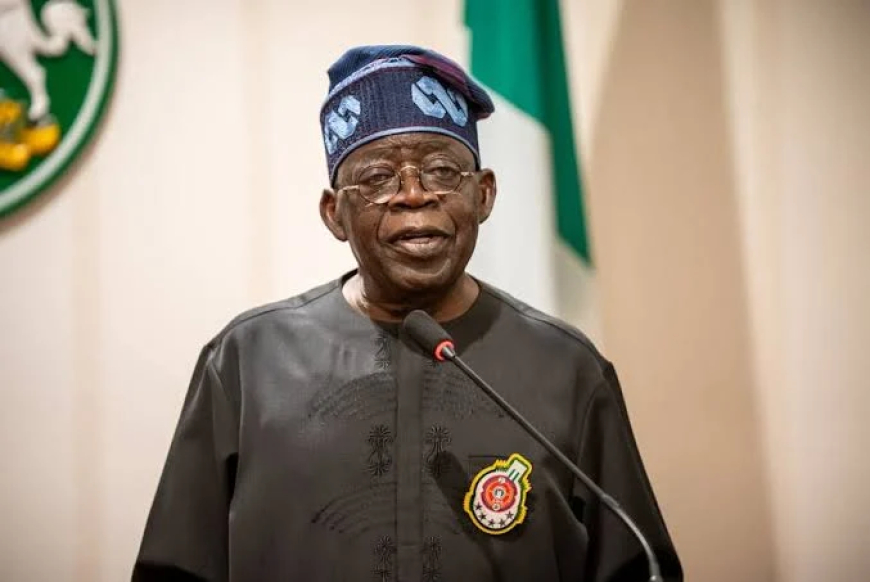
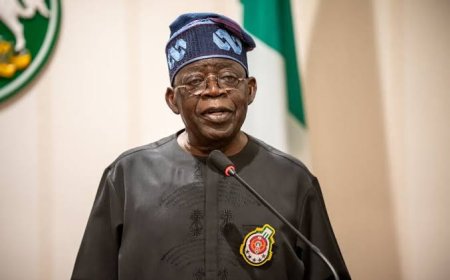
A Professor of Security and Strategy at the Nigerian Defence Academy in Kaduna State, Abiodun Oluwadare, has said President Bola Tinubu’s planned official visit to the United Kingdom will serve as a major turning point in Nigeria–UK relations.
He noted that the invitation marked a significant milestone, coming nearly four decades after Nigeria had such a high-level state engagement with the UK.
The don stated that the visit could boost Nigeria’s economic outlook by reopening discussions on trade diversification and foreign investments, particularly in sectors such as technology, renewable energy, agriculture, education, and digital infrastructure.
Oluwadare stated this in a statement titled, “President Tinubu’s UK Visit: Socio-Economic, Security, and Strategic Implications for Nigeria and the United Kingdom,” made available to o ur correspondent on Friday
He stressed that the trip would go beyond ceremonial diplomacy, saying it would present an opportunity for both nations to reset bilateral ties rooted in history and shared interests.
The don added that stronger collaboration between UK technical institutions and Nigerian universities could help tackle youth unemployment.
The statement partly read, “President Tinubu’s visit provides an occasion to negotiate safe, legal migration pathways, bilateral labour mobility agreements, and diaspora investment schemes. A well-managed diaspora engagement strategy could translate remittances into productive domestic investment, strengthening Nigeria’s external reserves and economic resilience.
To maximise the gains from President Bola Ahmed Tinubu’s official visit to the United Kingdom, both governments must move beyond symbolism and pursue deliberate, structured, and sustained policy engagement. For Nigeria, there is an urgent need to articulate a comprehensive bilateral strategic framework that clearly defines priority areas of cooperation with the UK.
Such a framework should integrate trade, investment, security cooperation, education, technology transfer, and governance reform into a coherent long-term partnership rather than isolated diplomatic engagements. This approach would provide continuity beyond political cycles and ensure measurable outcomes.
“Nigeria must also proactively address youth unemployment and irregular migration by negotiating structured labour mobility and skills-migration pathways with the UK. Rather than viewing migration solely as a security or deportation issue, Nigeria should leverage it as a development tool through legal employment schemes, professional exchanges, and diaspora-led investment initiatives. Properly managed, this would reduce the incentive for dangerous migration routes while transforming remittances into productive capital for domestic development.”
He also emphasised the need for joint efforts against narcotics trafficking, corruption, and transnational crime, calling for stronger frameworks on asset tracing, extradition, and anti-money laundering measures to curb the worsening cases of insecurity, banditry, and kidnappings across Nigeria.
“Nigeria should institutionalise intelligence-sharing mechanisms and joint training arrangements with the UK, particularly in areas of counter-insurgency, cyber-security, border surveillance, and real-time data analytics. Strengthening specialised technical units within Nigeria’s security architecture will enhance the country’s ability to respond swiftly to insurgency, banditry, and transnational organised crime. Such cooperation should be embedded within Nigeria’s broader national security strategy to ensure sustainability and accountability.
“The UK should also deepen security cooperation by extending technical assistance in intelligence, surveillance, reconnaissance, cyber-defence, and border management systems. Given the transnational nature of terrorism, drug trafficking, and organised crime, supporting Nigeria’s security capacity directly contributes to British domestic security interests. This cooperation should be framed as a partnership of equals rather than donor-recipient engagement.
“On migration governance, the UK must work closely with Nigerian authorities to develop humane, ethical, and mutually beneficial migration frameworks. Collaborative approaches to visa policy, return and reintegration programmes, and labour mobility would help reduce irregular migration while protecting human dignity and strengthening bilateral trust.
In an era defined by insecurity, youth unemployment, migration pressures, and global economic uncertainty, productive UK–Nigeria engagement can strengthen both nations’ capacities to pursue stability, prosperity, and inclusive development. If guided by strategic foresight and sustained follow-through, this visit could mark a new chapter in a nuanced and mutually beneficial partnership,” it added.
Culled from punch