Fresh storm brews over new tax law
 admin
admin

The Presidency, on Wednesday, rejected calls for the suspension of President Bola Tinubu’s recently-signed tax reform laws, insisting the legislation was “unstoppable” and would take effect from January 1, 2026.
This was as opposition figures warned the policy could deepen hardship and trigger severe social and economic consequences.
Special Adviser to the President on Information and Strategy, Bayo Onanuga, in an interview with The PUNCH said the reforms had already been passed by the National Assembly and endorsed by the President, faulting critics for raising objections late.
“The law has been passed by the National Assembly. It has been endorsed by the President. And some people are just waking up when they should have made known their objections long time ago,” Onanuga said.
The law is unstoppable. By January 1, 2026 by the grace of God, the implementation will begin. And there is nothing to fear. This development will harmonise most of our multiple taxes and it also excludes the low-income workers from being taxed,” he added.
Onanuga described the reforms as “revolutionary,” arguing that the new regime would enhance tax revenue for the benefit of Nigerians, while dismissing calls for suspension as inconsistent with “right-thinking Nigerians.”
He said, “But some people are saying that it should be implemented? You can see that they are not on the same page with right-thinking Nigerians.
“It is a revolutionary law that will enhance our tax revenue with the benefits of all nigerians. For them to say we should not implement, it’s too late to raise objection. The law as it stnds today is unstoppable.
It is already being implemented anyways.”
His response came as the National Opposition Movement demanded the immediate suspension of the tax plan’s implementation, warning that forcing it through would worsen the living conditions of Nigerians.
Addressing a press conference on Wednesday at the Yar’Adua Centre, Abuja, the NOM spokesperson, Chille Igbawua, said Nigerians were already struggling with poverty, unemployment and rising living costs, insisting the new tax regime would be punitive.
The NOM, a coalition of citizens drawn from various opposition parties, said it monitors policies affecting Nigeria’s security, economy and overall prosperity under the Tinubu administration, while advocating national liberation and transformation.
President Tinubu recently signed four major tax reform bills into law, marking what the government has described as the most significant overhaul of Nigeria’s tax system in decades.
The laws include the Nigeria Tax Act, the Nigeria Tax Administration Act, the Nigeria Revenue Service (Establishment) Act and the Joint Revenue Board (Establishment) Act, all operating under a single authority, the Nigeria Revenue Service.
The reforms are designed to simplify tax compliance, expand the tax base, eliminate overlapping taxes and modernise revenue collection across federal, state and local governments.
The laws are scheduled to take effect on January 1, 2026, following a six-month transition period for public education and system alignment.
However, the reforms have continued to attract mixed reactions nationwide.
Reacting, Igbawua described the planned implementation as “shocking” and “punitive,” arguing that Nigerians are already struggling to meet basic needs.
“This new tax plan must not take off now. Its implementation must be suspended immediately. This is not tax reform; it is a weapon fashioned against the economic wellbeing and social security of suffering Nigerians,” he said.
“You cannot tax hunger. You cannot tax poverty. And you cannot tax people into prosperity. Since coming to office, President Tinubu has shown that his priorities are not with ordinary Nigerians but with a few oligarchs tied to his economic and political interests.”
He warned that the country risked multidimensional failure under the current policies, threatening democracy, security and human development in West Africa.
According to him, the combination of fuel subsidy removal, naira depreciation, food inflation and rising electricity tariffs has pushed households and small businesses to the brink.
“What the government is rolling out in January is not a tax reform; it is an assault on the livelihood of ordinary Nigerians,” he said, alleging that low-income earners and the unemployed would be disproportionately affected.
The group further accused the administration of tolerating high-level corruption while placing additional burdens on citizens, likening the tax drive to what it described as the “reckless” removal of fuel subsidies.
The NOM demanded the suspension of the tax take-off date, nationwide consultations involving labour unions, civil society groups, small and medium-scale enterprises and state governments, as well as social protection guarantees tied to any reform.
Other members of the movement include activist Aisha Yesufu, former Minister of Youths and Sports Solomon Dalung, former Director-General of the PDP Governors Forum, CID Maduabum, and Dr Sam Amadi.
Meanwhile, a group of lawmakers in the House of Representatives on Wednesday alleged that the tax reform laws passed by the National Assembly and signed by the President were altered after passage, raising questions about the legality of the versions currently in circulation.
The lawmakers claimed that provisions contained in the gazetted copies did not receive legislative approval and were therefore constitutionally defective.
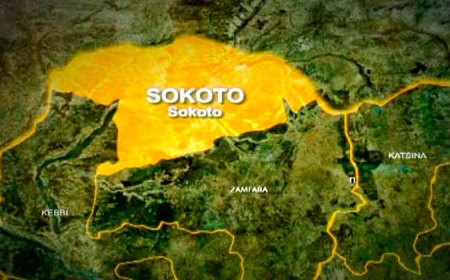
Raising the issue under a matter of privilege during plenary, a Sokoto lawmaker, Abdussamad Dasuki, drew the House’s attention to what he described as discrepancies between the harmonised versions passed by both chambers and the gazetted copies released by the Federal Government.
A report compiled by the concerned lawmakers alleged that the changes went beyond clerical or editorial corrections.
According to the document, substantive provisions were allegedly inserted, deleted or modified after passage, including the removal of oversight and accountability mechanisms approved by parliament.
The report further claimed that new coercive and fiscal powers—such as arrest powers, garnishment without court orders and compulsory dollar-based computations—were introduced without legislative approval.
“These changes cannot be classified as clerical or editorial corrections,” the report stated, warning that the alterations undermine legislative supremacy and expose the country to legal uncertainty and investor risk.
The lawmakers argued that Sections 4 and 58 of the 1999 Constitution vest law-making powers exclusively in the National Assembly, stressing that the executive has no authority to alter bills after passage.
Speaking on the floor, Dasuki said, “What was passed by this House is not what has been gazetted. I was here, I voted, and what is before Nigerians today is completely different.”
He called on the House leadership to revisit the original versions passed by the National Assembly and demanded that all relevant documents be brought before the Committee of the Whole for review.
Responding, Speaker of the House, Tajudeen Abbas, assured members that the leadership would investigate the allegations and take appropriate action in the national interest.
The disputed laws form part of President Tinubu’s broader economic reform agenda aimed at boosting revenue, widening the tax base and reducing reliance on borrowing amid rising debt-servicing costs.
However, the controversy has raised fresh concerns over legislative oversight, the integrity of the law-making process and the legal implications for the implementation of the new tax regime scheduled to commence in January 2026.
The Presidency, on Wednesday, rejected calls for the suspension of President Bola Tinubu’s recently-signed tax reform laws, insisting the legislation was “unstoppable” and would take effect from January 1, 2026.
This was as opposition figures warned the policy could deepen hardship and trigger severe social and economic consequences.
Special Adviser to the President on Information and Strategy, Bayo Onanuga, in an interview said the reforms had already been passed by the National Assembly and endorsed by the President, faulting critics for raising objections late.
“The law has been passed by the National Assembly. It has been endorsed by the President. And some people are just waking up when they should have made known their objections long time ago,” Onanuga said.
The law is unstoppable. By January 1, 2026 by the grace of God, the implementation will begin. And there is nothing to fear. This development will harmonise most of our multiple taxes and it also excludes the low-income workers from being taxed,” he added.
Onanuga described the reforms as “revolutionary,” arguing that the new regime would enhance tax revenue for the benefit of Nigerians, while dismissing calls for suspension as inconsistent with “right-thinking Nigerians.”
He said, “But some people are saying that it should be implemented? You can see that they are not on the same page with right-thinking Nigerians.
“It is a revolutionary law that will enhance our tax revenue with the benefits of all nigerians. For them to say we should not implement, it’s too late to raise objection. The law as it stnds today is unstoppable.
It is already being implemented anyways.”
His response came as the National Opposition Movement demanded the immediate suspension of the tax plan’s implementation, warning that forcing it through would worsen the living conditions of Nigerians.
Addressing a press conference on Wednesday at the Yar’Adua Centre, Abuja, the NOM spokesperson, Chille Igbawua, said Nigerians were already struggling with poverty, unemployment and rising living costs, insisting the new tax regime would be punitive.
The NOM, a coalition of citizens drawn from various opposition parties, said it monitors policies affecting Nigeria’s security, economy and overall prosperity under the Tinubu administration, while advocating national liberation and transformation.
President Tinubu recently signed four major tax reform bills into law, marking what the government has described as the most significant overhaul of Nigeria’s tax system in decades.
The laws include the Nigeria Tax Act, the Nigeria Tax Administration Act, the Nigeria Revenue Service (Establishment) Act and the Joint Revenue Board (Establishment) Act, all operating under a single authority, the Nigeria Revenue Service.
The reforms are designed to simplify tax compliance, expand the tax base, eliminate overlapping taxes and modernise revenue collection across federal, state and local governments.
The laws are scheduled to take effect on January 1, 2026, following a six-month transition period for public education and system alignment.
However, the reforms have continued to attract mixed reactions nationwide.
Reacting, Igbawua described the planned implementation as “shocking” and “punitive,” arguing that Nigerians are already struggling to meet basic needs.
“This new tax plan must not take off now. Its implementation must be suspended immediately. This is not tax reform; it is a weapon fashioned against the economic wellbeing and social security of suffering Nigerians,” he said.
“You cannot tax hunger. You cannot tax poverty. And you cannot tax people into prosperity. Since coming to office, President Tinubu has shown that his priorities are not with ordinary Nigerians but with a few oligarchs tied to his economic and political interests.”
He warned that the country risked multidimensional failure under the current policies, threatening democracy, security and human development in West Africa.
According to him, the combination of fuel subsidy removal, naira depreciation, food inflation and rising electricity tariffs has pushed households and small businesses to the brink.
“What the government is rolling out in January is not a tax reform; it is an assault on the livelihood of ordinary Nigerians,” he said, alleging that low-income earners and the unemployed would be disproportionately affected.
The group further accused the administration of tolerating high-level corruption while placing additional burdens on citizens, likening the tax drive to what it described as the “reckless” removal of fuel subsidies.
The NOM demanded the suspension of the tax take-off date, nationwide consultations involving labour unions, civil society groups, small and medium-scale enterprises and state governments, as well as social protection guarantees tied to any reform.
Other members of the movement include activist Aisha Yesufu, former Minister of Youths and Sports Solomon Dalung, former Director-General of the PDP Governors Forum, CID Maduabum, and Dr Sam Amadi.
Meanwhile, a group of lawmakers in the House of Representatives on Wednesday alleged that the tax reform laws passed by the National Assembly and signed by the President were altered after passage, raising questions about the legality of the versions currently in circulation.
The lawmakers claimed that provisions contained in the gazetted copies did not receive legislative approval and were therefore constitutionally defective.
Raising the issue under a matter of privilege during plenary, a Sokoto lawmaker, Abdussamad Dasuki, drew the House’s attention to what he described as discrepancies between the harmonised versions passed by both chambers and the gazetted copies released by the Federal Government.
A report compiled by the concerned lawmakers alleged that the changes went beyond clerical or editorial corrections.
According to the document, substantive provisions were allegedly inserted, deleted or modified after passage, including the removal of oversight and accountability mechanisms approved by parliament.
The report further claimed that new coercive and fiscal powers—such as arrest powers, garnishment without court orders and compulsory dollar-based computations—were introduced without legislative approval.
“These changes cannot be classified as clerical or editorial corrections,” the report stated, warning that the alterations undermine legislative supremacy and expose the country to legal uncertainty and investor risk.
The lawmakers argued that Sections 4 and 58 of the 1999 Constitution vest law-making powers exclusively in the National Assembly, stressing that the executive has no authority to alter bills after passage.
Speaking on the floor, Dasuki said, “What was passed by this House is not what has been gazetted. I was here, I voted, and what is before Nigerians today is completely different.”
He called on the House leadership to revisit the original versions passed by the National Assembly and demanded that all relevant documents be brought before the Committee of the Whole for review.
Responding, Speaker of the House, Tajudeen Abbas, assured members that the leadership would investigate the allegations and take appropriate action in the national interest.
The disputed laws form part of President Tinubu’s broader economic reform agenda aimed at boosting revenue, widening the tax base and reducing reliance on borrowing amid rising debt-servicing costs.
However, the controversy has raised fresh concerns over legislative oversight, the integrity of the law-making process and the legal implications for the implementation of the new tax regime scheduled to commence in January 2026.
culled from punch