Obasanjo is Africa’s greatest statesman alive — Moghalu
 admin
admin
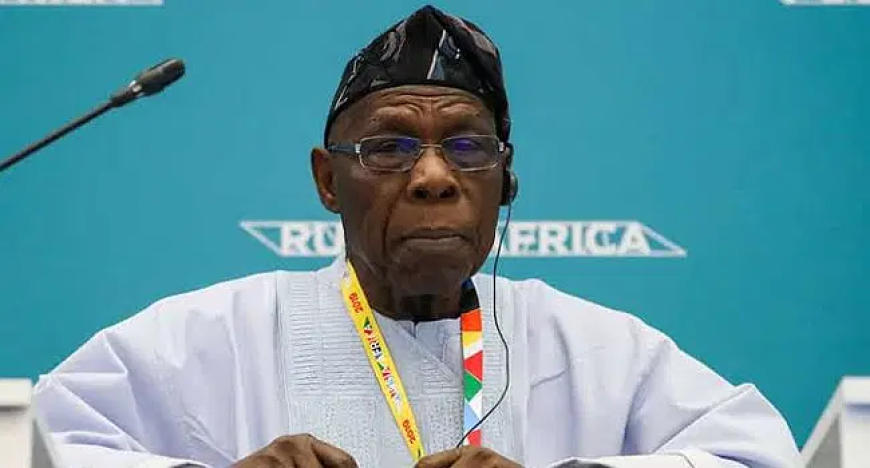
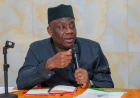
Former Deputy Governor of the Central Bank of Nigeria, Kingsley Moghalu, has described former President Olusegun Obasanjo as “arguably Africa’s preeminent statesman alive today.
Moghalu stated this in a post on his verified X account on Monday, reflecting on a panel session he participated in alongside Bishop Matthew Kukah during a dialogue with Obasanjo at the Toyin Falola Interview Series.
The event was convened by eminent historian and Jacob and Sanger Mossiker Chair in the Humanities at the University of Texas at Austin.
According to Moghalu, the engagement was deliberately structured to go beyond “well-rehashed” views, offering fresh insight into Obasanjo’s perspectives on governance, African conflicts, and Nigeria’s political evolution. He noted that millions of viewers tuned in to the virtual conversation held on Sunday.
One of the key revelations, Moghalu said, was Obasanjo’s meticulous documentation of his personal and public life, which is now archived at the Olusegun Obasanjo Presidential Library. The library, established in 2007, is home to over three million digitised items, with another three million awaiting digitisation.
On international affairs, Obasanjo offered a nuanced assessment of the conflict in the Democratic Republic of Congo (DRC), asserting that the crisis goes beyond external aggression.
Drawing from his experience as a young military officer and UN peacekeeper in the 1960s, Obasanjo argued that the DRC has long functioned without a true national army, relying instead on militias loyal to successive leaders.
He also suggested that former U.S. President Donald Trump’s push for peace in the region is largely driven by America’s strategic interest in securing access to critical minerals.
Reflecting on his time in office, Obasanjo said he had “no regrets” about the decisions he took as Nigeria’s leader. However, he expressed one major hindsight concern: not moving decisively on establishing the proposed ECOWAS common currency, the Eco.
He argued that Nigeria’s leadership in implementing the currency, despite convergence challenges, might have prevented the withdrawal of Mali, Burkina Faso and Niger to form the Alliance of Sahel States.
Obasanjo also revisited Nigeria’s history of secessionist agitations, insisting that all major regional blocs — not only the former Eastern Region — have at different times made moves to break away. He cited the “Araba” movement following the 1966 counter-coup, saying the attempt collapsed only after Cameroon’s then President, Ahmadou Ahidjo, declined northern emissaries’ request to merge with his country.
According to Moghalu, Obasanjo attributed recurring separatist sentiments to a deficit of mutual respect among Nigeria’s dominant ethnic groups and entrenched contestations for ethnic dominance.
“I don’t believe anyone has more or less rights than me as a Nigerian,” Obasanjo was quoted as saying, as he urged renewed commitment to unity grounded in equality and dignity.
culled from vanguard