Qatar stops LNG output, Saudi Arabia closes refinery amid Middle East attacks
 admin
admin
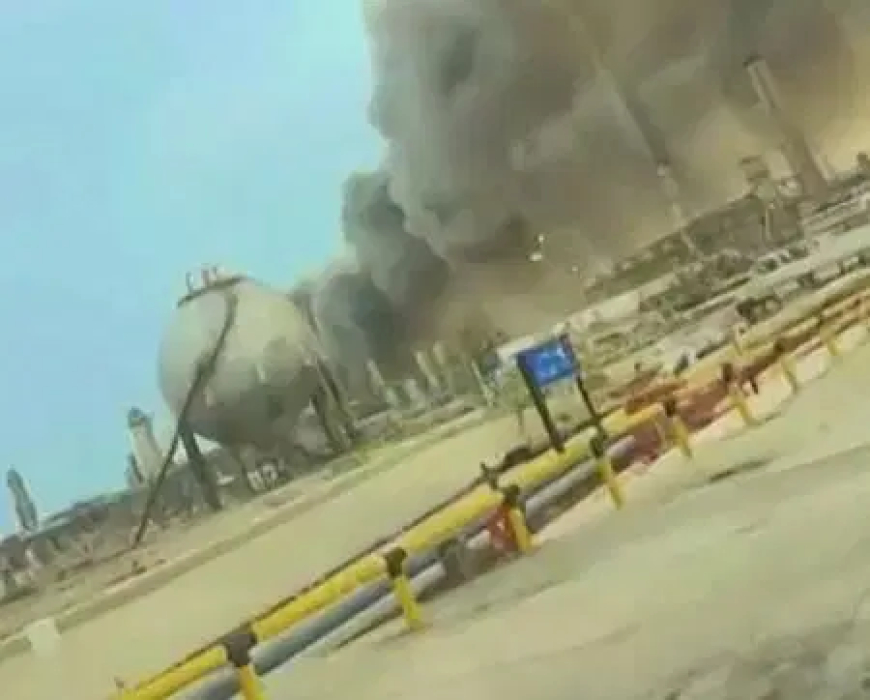
Qatar has halted its liquefied natural gas (LNG) production after Iranian drone strikes targeted key energy facilities, while Saudi Arabia temporarily shut down its largest oil refinery following missile attacks, deepening fears of a prolonged energy crisis in the Middle East.
The escalation comes as Iran retaliates against recent Israeli and U.S. airstrikes, with attacks spreading across Gulf states for a third consecutive day and disrupting major oil and gas infrastructure in the region.
State-owned QatarEnergy was set to declare force majeure on LNG shipments after drones struck facilities within the vast Ras Laffan industrial complex, which houses the country’s gas trains, massive processing units that supercool natural gas into liquid form for export. Drones also hit the Mesaieed industrial zone in southern Qatar, home to petrochemical and manufacturing plants.
Qatar accounts for roughly 20 per cent of global LNG supply and plays a critical role in stabilising demand across Asian and European markets. The disruption sent European benchmark gas prices soaring, with the Dutch front-month contract at the TTF hub jumping as much as 46–52 per cent, the steepest rise since March 2022.
Meanwhile, Saudi Arabia’s state oil giant Aramco confirmed it had shut down the Ras Tanura refinery near Dammam after missiles were fired at the export terminal. Saudi officials said incoming drones were intercepted before reaching critical infrastructure, though debris caused a limited fire. No injuries were reported.
Ras Tanura is one of the kingdom’s most important energy assets, with a daily production capacity exceeding 500,000 barrels of crude oil.
The refinery closure adds to a series of shutdowns across the region. Oil production in Iraqi Kurdistan has reportedly been suspended, several Israeli gas fields have halted exports to Egypt, and shipping traffic through the Strait of Hormuz, a chokepoint through which about one-fifth of global oil supply passes, has slowed significantly.
Global oil prices surged as much as 13 per cent intraday to above $82 per barrel, the highest level since January 2025, before easing slightly. Overall, crude prices remain nearly 9 per cent higher amid mounting concerns over supply disruptions.
The widening conflict has heightened fears of sustained volatility in global energy markets, with analysts warning that further attacks on Gulf infrastructure could trigger deeper supply shocks and prolonged price spikes.
Culled from vanguard