NBA slams tough police bail conditions
 admin
admin
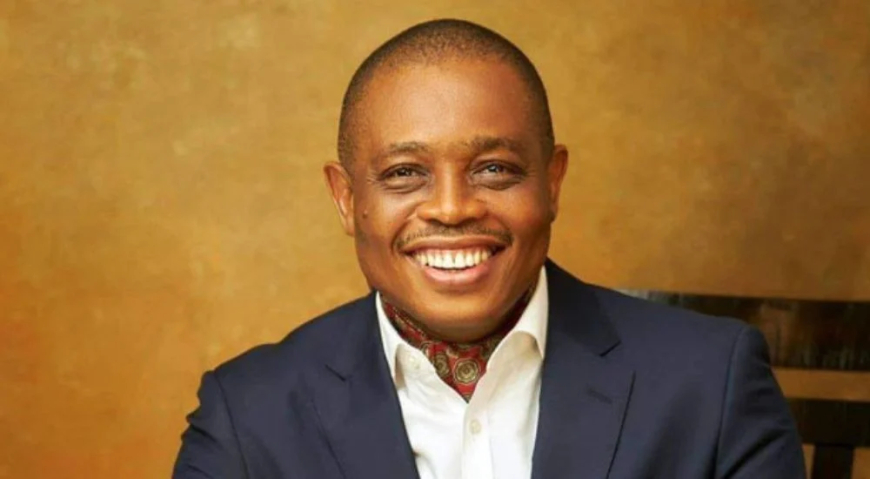
The President of the Nigerian Bar Association, Afam Osigwe (SAN), has raised concerns over what he described as increasingly stringent and punitive bail conditions imposed by some police divisions across the country.
Speaking at a meeting with the Inspector-General of Police, Olatunji Disu, in Abuja on Tuesday, Osigwe said bail was increasingly being administered in a manner that effectively denies suspects the opportunity to regain their freedom.
“I will use this opportunity to note that bail has become a punitive thing, that in our police stations, in our courts, in EFCC offices, ICPC offices, bail is being given with the intention that the people should not enjoy it. So we deny bail by pretending to give it,” he said.
According to him, one of the most troubling practices is the insistence by some police officers that suspects produce directors or senior civil servants as sureties before they can be granted bail.
The worst part of it is that it has now seemed to be becoming normal that in some police stations, when bail is granted, they say you must bring a director or senior civil servant. And sometimes it is only the directors acceptable to the investigating officers that can stand as sureties,” Osigwe said.
He argued that the practice had created a “black market in suretyship,” where individuals who have no relationship with suspects offer to stand as sureties for a fee.
“These directors who don’t know the suspects now agree to become sureties for a fee. So a great financial burden is thereby imposed on the person in detention, his family and his friends,” he said.
Osigwe called for a return to reasonable bail conditions aimed solely at ensuring that suspects appear whenever required by investigators or the courts.
The NBA president also called on the Nigeria Police Force to ensure compliance with legal provisions requiring judges and magistrates to inspect detention facilities within their jurisdictions.
Osigwe said that despite provisions in the Administration of Criminal Justice Act, some law enforcement agencies, including the police, have been reluctant to grant judicial officers access to detention facilities.
“There is presently a provision in the Administration of Criminal Justice Act which says that the Chief Judge shall direct judges and magistrates to visit detention facilities or centres within their jurisdiction to inspect,” he said.
“And even with this statutory provision, the police, and not only the police, but some law enforcement agencies also refuse and resist these efforts.”
Osigwe stressed that the inspections were not intended to indict security agencies but to ensure compliance with the law and safeguard the rights of detainees.
“I want to use this opportunity to bring this to the attention of the IGP and to respectfully request that the police should understand that this is not an indictment, that the magistrates and judges, when they come, are merely carrying out statutory duties,” he said.
He urged the police leadership to ensure that officers cooperate with judicial officers carrying out such visits.
“I will be asking for the cooperation of the IGP so that this provision of the law is given effect,” Osigwe added.
Responding, Disu acknowledged the concerns and assured the NBA that the matter would be addressed.
“That is very true. I noticed it too. And then I’ve noted it down.
“It is not our duty. That was not what we were taught. Give bail to anybody responsible who will be able to bring the person when we want them.”
He added that police training does not support the imposition of restrictive conditions such as requiring specific categories of public servants to stand as sureties.
“Women can stand as surety for anybody. That is it. So they did not teach us to start putting that condition. Must be level 14, must be no. No. I have noted it down. We are going to address it,” Disu said.
Disu noted that effective administration of justice requires cooperation among the police, lawyers and the courts, describing the relationship as “symbiotic.”
Disu also acknowledged that both the police and the judiciary have roles to play in ensuring the smooth operation of the criminal justice system.
“So it’s a symbiotic relationship between us,” he said.