Lassa fever cases jump 57% in one week as 31 Nigerians die
 admin
admin
The Nigeria Centre for Disease Control and Prevention, NCDC, Monday, raised fresh alarm over a sharp spike in Lassa fever infections, confirming that new cases surged by 57 per cent in one week as the country recorded 31 deaths within the first five epidemiological weeks of 2026.
In its situation report for Epi Week 5, the agency disclosed that confirmed cases rose from 28 in Week 4 to 44 in Week 5, with new infections reported in Bauchi, Ondo, Taraba, Edo, Plateau, Benue and Ebonyi states.
It noted that cumulatively, Nigeria has recorded 31 deaths as of Week 5, with a Case Fatality Rate (CFR) of 18.8 per cent, slightly lower than the 19.6 per cent recorded during the same period in 2025.
“The number of new confirmed cases increased from 28 in Epi Week 4 to 44 in Epi Week 5. As of Week 5, 31 deaths have been recorded, with a CFR of 18.8 per cent.”
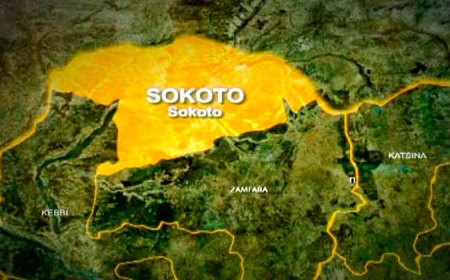
Nine states have recorded at least one confirmed case across 33 Local Government Areas so far this year. However, 92 per cent of all confirmed cases are concentrated in five states — Bauchi, Ondo, Taraba, Edo and Plateau.
Bauchi alone accounts for 47 per cent of confirmed cases, followed by Ondo (18 per cent), Taraba (14 per cent), Edo (8 per cent) and Plateau (5 per cent). The remaining eight per cent of cases were reported from four other states.
The disease continues to affect mostly young adults, with the predominant age group being 21–30 years. The median age is 28 years, with cases ranging from one to 74 years-old. The male-to-female ratio stands at 1:0.8.
While the total number of suspected and confirmed cases remains lower than figures recorded during the same period in 2025, health authorities are worried about rising infections among healthcare workers. One new healthcare worker was infected in Week 5.
In response to the rising cases, the NCDC confirmed that the National Lassa Fever multi-partner, multi-sectoral Incident Management System, IMS, has been activated to coordinate response efforts nationwide.
The Incident Management System of the National Lassa Fever Emergency Operations Centre has been activated to strengthen coordination at all levels,” the agency said.
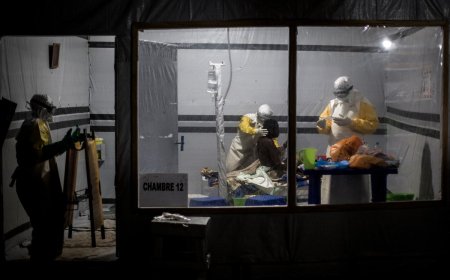
A high-level field mission was deployed to Bauchi State with support from Médecins Sans Frontières (MSF), while IMS structures have also been activated in Benue and Plateau states.
The agency added that it is collaborating with the United States Centers for Disease Control and Prevention (US CDC) and Pro-Health International to investigate and mitigate healthcare worker infections.
Other measures include distribution and pre-positioning of personal protective equipment (PPE), Ribavirin (both injection and tablets), body bags, thermometers, hypochlorite, hand sanitisers and information materials to affected states and treatment centres.
Laboratory networks nationwide are analysing samples to ensure prompt diagnosis, while treatment of confirmed cases is ongoing at designated centres.
Despite intensified response efforts, the NCDC identified late presentation of cases as a major driver of fatalities.
“Late presentation of cases is contributing to the increase in the case fatality rate,” the report noted. “Poor health-seeking behaviour due to the high cost of treatment and clinical management is also a concern.”
Other challenges include poor environmental sanitation in high-burden communities, low awareness levels and increasing infections among healthcare workers
The agency urged state governments to intensify community engagement and awareness campaigns throughout the year rather than during peak outbreak seasons.
“States must bolster efforts all-year-round for community engagement on Lassa fever prevention.”
Healthcare workers were urged to maintain a high index of suspicion and ensure timely referral and treatment of suspected cases, while partners were called upon to strengthen state capacity to prevent, detect and respond promptly to outbreaks.
Culled from punch