Kaduna to achieve 100% water supply by 2026 — Sani
 admin
admin
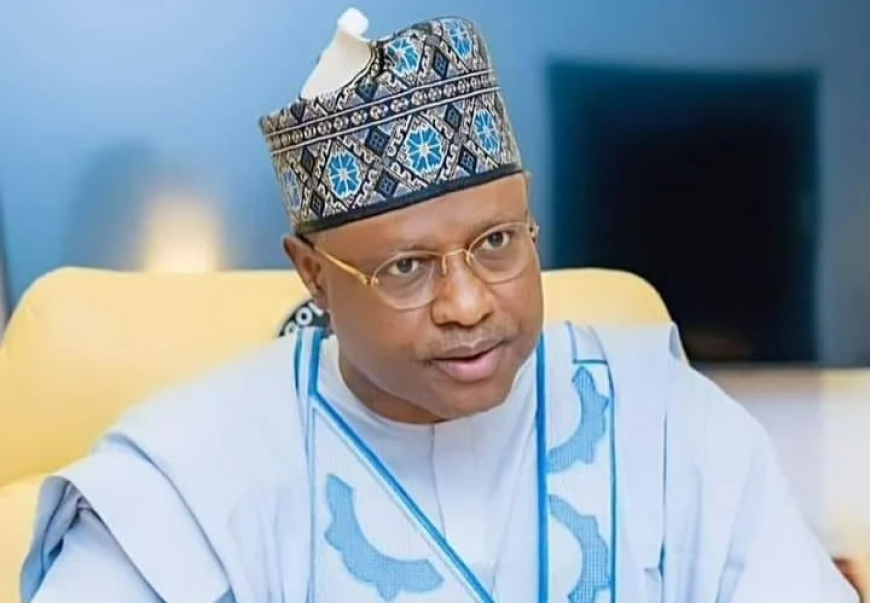
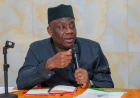
Kaduna State Governor, Uba Sani, has pledged to achieve 100 per cent water supply coverage across the state by late 2026, saying his administration has raised water production from eight per cent to over 30 per cent in two and a half years.
The governor made the pledge when the management of the National Water Resources Institute paid him a courtesy visit at Government House, Kaduna on Saturday.
Sani attributed the improvement in water production to what he described as a comprehensive overhaul of the state’s water infrastructure, following years of neglect and decay in the sector.
He lamented that the water sector had suffered “systemic neglect” for more than a decade, leaving critical infrastructure abandoned and service delivery severely disrupted.
He said, “When this administration assumed office, we encountered a sector in deep distress. Treatment plants were dormant, distribution networks had been badly compromised by past urban renewal projects, and overall water production had fallen to a staggering eight per cent.”
The governor said his administration responded by embarking on what he described as an unprecedented reform programme to revive and modernise water infrastructure across the state.
He disclosed that the government had “committed between ₦93bn and ₦100bn over the next four years, from 2024 to 2027, to ensure that every household in Kaduna State enjoys a steady and reliable supply of clean water.”
Sani revealed that over ₦5bn had been spent replacing pipes lost to vandalism and damaged during previous urban renewal projects in Zaria and Kafanchan.
He added that “a further ₦10bn investment in the replacement of priority and critical pipelines in Kaduna is ongoing,” alongside an investment of ₦1.4bn in high-quality water purification chemicals.
The governor also said his administration had cleared outstanding electricity bills of ₦1.3bn to ensure that pumping facilities remained operational and water production uninterrupted.
Beyond infrastructure, Sani said his government had prioritised the welfare of workers in the water sector, describing them as critical to the success of the reforms.
He disclosed that salary arrears of staff of the Kaduna State Water Corporation, amounting to over ₦900m, had been cleared, with the workforce fully integrated into the reform agenda.
“I have also approved the allocation of land for a mass housing project in Millennium City, Kaduna, so that professionals who safeguard our water resources can have homes they are proud of,” he said.
Sani stressed the need for long-term sustainability through capacity building, noting that infrastructure alone would not solve water challenges without skilled manpower.
He announced the allocation of land for the establishment of branches of the National Water Resources Institute in Zaria and Kachia, saying the centres would “bridge critical training gaps and ensure our agencies are staffed with well-trained professionals.”
Earlier, the Director-General of the institute, Dr Abduljalal Danbaba, said the NWRI had academic and research mandates and coordinated the activities of the country’s 12 river basin authorities.
Danbaba added that the institute, recently recognised as a World Meteorological Centre in Africa, advises the Minister of Water Resources and Sanitation on manpower development and would offer Kaduna State officials subsidised training to strengthen capacity in the sector.