NGF, HiiL push community-based justice nationwide
 admin
admin
The Nigerian Governors’ Forum, HiiL and the Attorneys-General of the 36 states are working to scale community-based, people-centred justice models across Nigeria to improve access to justice at the state and community levels.
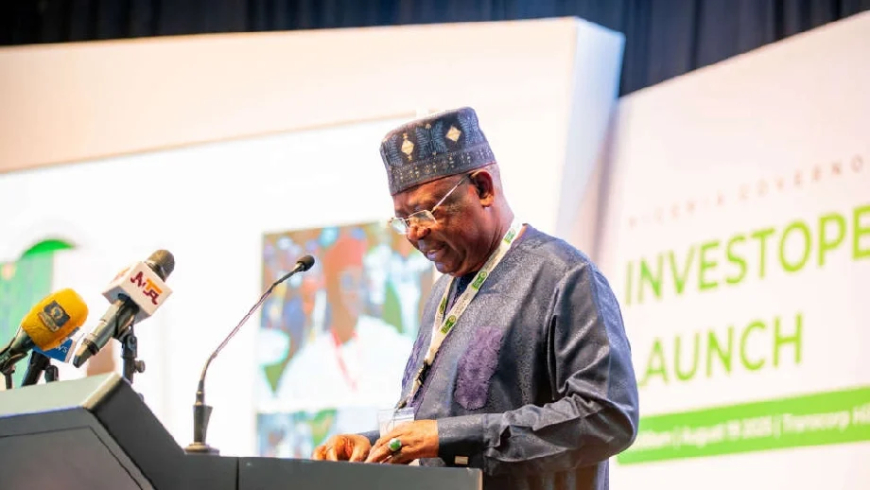
Speaking on Friday at a workshop in Abuja on people-centred justice, the Director-General of the NGF, Abdulateef Shittu, said the initiative was designed to enable states share ideas, experiences and lessons on justice sector reforms.
He added that the Attorneys-General were critical to driving the process in their respective states.
Shittu explained that the NGF had begun institutionalising peace-building commissions as part of a non-kinetic approach to resolving conflicts, noting that pilot projects had been implemented in Plateau, Kaduna and Adamawa states.
SoloHe said, “Today is a workshop centred on People-Centred Justice. And I said in my remark that even the Nigerian Governors’ Forum Secretariat is doing a lot in promoting that. Just last year, we tried to institutionalise peace-building commissions across the states. We started with three pilot states Plateau, Kaduna, and Adamawa, where the peace-building commissions are functioning as a network. So we can see the result of a lot of this, because it’s a non-kinetic approach to solving issues and doing a lot.”
According to him, the peace-building commissions in the pilot states are already functioning as a network, with visible results, prompting plans to extend the model to all 36 states.
“The states are expected to take the knowledge back home, adapt it to their peculiar contexts and implement people-centred justice projects,” Shittu added.
He added that the NGF Secretariat was open to partnering with states to kick-start such projects and to link them with development partners where necessary.
Also speaking at the event, the HiiL Country Representative, Ijeoma Nwafor, said one of the major challenges facing justice reforms globally was inadequate funding, partly because justice outcomes were often seen as intangible.
She said HiiL’s people-centred justice approach provided measurable tools such as guidelines, data, pilot programmes and strategy documents that demonstrate real impact on communities.
Nwafor noted that the organisation would continue to support states with technical assistance and help showcase successful projects to international donors.
She said people-centred justice promotes the recognition of informal justice mechanisms by the formal justice system, particularly in resolving issues such as land disputes, making justice more accessible, affordable and timely for communities.
“With people-centred justice, we’re saying let the informal sector be recognised by the formal sector because they are resolving more cases. In land issues, imagine if they resolve the case and you can file it in the magistrate’s court and there’s a seal of consent judgment on it. That means that the next generation, somebody else can come up and start over which is what we are seeing now.
“So those are some of the benefits of people-centred justice. It’s more accessible, it’s cheaper”, she stated.
People-centred justice focuses on resolving disputes close to communities through accessible and affordable mechanisms, including informal and alternative dispute resolution systems.
The NGF and HiiL have piloted peace-building and justice initiatives in select states as part of efforts to reduce conflict, strengthen state justice systems and improve public trust in legal processes.
culled from punch