Kwara cuts malaria by half, blames sanitation for 60% of cases
 admin
admin
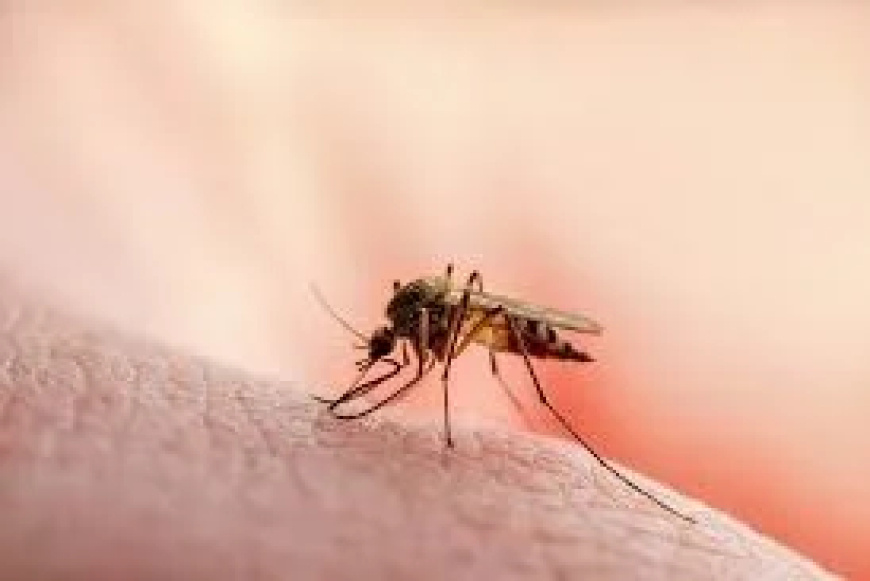
The Kwara State Government says it has reduced malaria prevalence in the state by half, from 26 per cent to 13 per cent, but warned that poor environmental sanitation still accounts for about 60 per cent of malaria transmission.
The disclosure was contained in a statement issued on Tuesday by the Press Secretary of the Kwara State Ministry of Health, Saad Hamdalat.
According to the statement, the Director of Public Health, Dr Oluwatosin Fakayode, made the disclosure during the Kwara State Malaria Advocacy, Communication and Social Mobilisation Quarterly Meeting and the inauguration of the State Malaria ACSM Working Group in Ilorin.
Represented by the State Malaria Control Coordinator, Dr Kazeem Oladapo, Fakayode said environmental conditions remained a major driver of malaria transmission despite the progress recorded in reducing the disease burden.
“Environmental conditions account for nearly 60 per cent of malaria transmission,” he said.
He added, “More than half of malaria cases in Nigeria can be traced to poor sanitation, stagnant water and other conditions that encourage mosquito breeding.”
Fakayode urged policymakers, development partners and other stakeholders to strengthen collaboration to eliminate malaria, stressing that environmental management must complement other preventive measures.
The quarterly meeting was convened to coordinate ACSM activities across the state, promote community participation and ownership of malaria prevention efforts, as well as increase the uptake of malaria interventions, particularly in health facilities,” he said.
Also speaking, the Data Analyst for the Johns Hopkins Program for International Education in Gynecology and Obstetrics (Jhpiego) STOP Antimicrobial Drug Resistance Project, Jeremiah Ngutor-Ulaa, said the initiative was aimed at strengthening collaboration among stakeholders and improving existing health systems to support malaria elimination.
“Nigeria can prevent widespread antimalarial drug resistance through the appropriate use of combination therapies and strengthened collaboration among partners,” Ngutor-Ulaa said.
He added that Jhpiego would continue to leverage existing structures while promoting demand creation and accountability mechanisms to support malaria control interventions.
Earlier, the state’s ACSM Desk Officer, Yemisi Ajala, identified climate, environmental, behavioural and social factors as the major drivers of malaria transmission in Kwara.
She lamented the inconsistent use of Long-Lasting Insecticidal Nets (LLINs) by many households but commended the state government for sustaining malaria control interventions, including the mass distribution of Insecticide-Treated Nets (ITNs), Seasonal Malaria Chemoprevention for children, community sanitation campaigns, and the implementation of the “Test, Treat, Track” policy to strengthen malaria diagnosis, treatment and surveillance.