Ebola: Tinubu approves N10bn funding for emergency response
 admin
admin
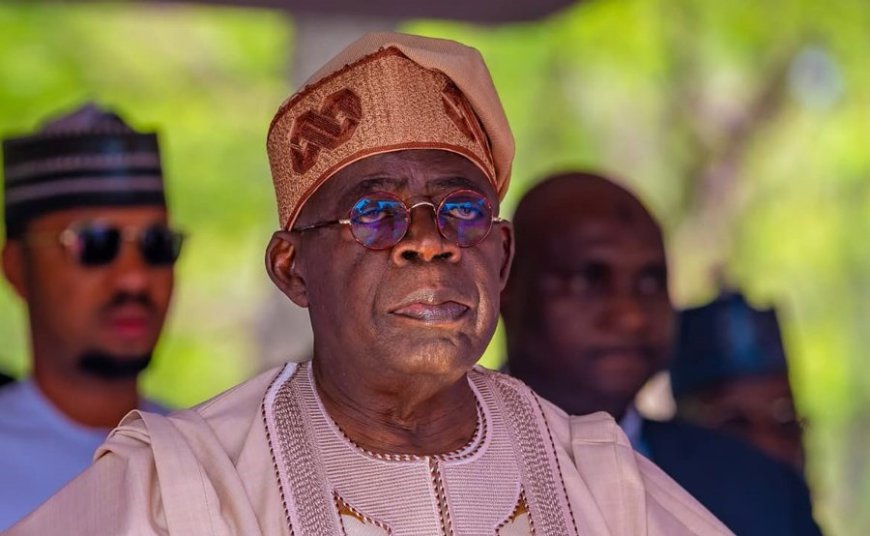
President Bola Tinubu has established a Presidential Task Force on Ebola Virus Disease Preparedness and approved the immediate release of N10bn in emergency intervention funding.
This follows the rapidly expanding outbreak that has already killed at least 349 people across the Democratic Republic of Congo and Uganda, with the World Health Organisation declaring it a Public Health Emergency of International Concern.
A statement by the Special Adviser to the President on Information and Strategy, Bayo Onanuga, said the task force would be chaired by the Chief of Staff to the President, Femi Gbajabiamila, with membership drawn from relevant ministries, departments and agencies and state representatives.
The N10bn, Onanuga said, will strengthen the operational preparedness of the Nigeria Centre for Disease Control and Prevention and support critical national public health emergency response activities.
The task force was constituted following a stakeholder meeting convened by Gbajabiamila to review Nigeria’s preparedness.
It was attended by representatives from the Ministry of Interior, the Federal Airports Authority of Nigeria, the Nigeria Immigration Service, the Nigerian Civil Aviation Authority and the Lagos State Government, among others.
According to Onanuga, Tinubu directed the “intensification of passenger screening at all international airports, including enhanced temperature checks and crowd-control protocols, and enhanced monitoring of passengers arriving on high-risk airline routes, including Air Uganda, RwandAir, Air Tanzania, Air Angola, Kenya Airways and Ethiopian Airlines, all carriers with direct or connecting services from the affected region.”
He ordered the immediate activation of referral and isolation centres at Lagos and Abuja international airports, with other airports to follow, and the mandatory activation of QR code-based pre-arrival health declaration systems for passengers originating from or transiting through designated high-risk countries.
The President also directed the disinfection of departure halls, cargo areas, baggage sections and airport facilities as precautionary environmental measures.
Tinubu directed the task force to designate specific airports or terminals for high-risk flights to enable controlled screening and isolation procedures, and to consider adjusting flight timings to minimise interaction between high-risk passengers and other travellers.
He also mandated the group to consult with security, diplomatic and aviation bodies on the possibility of regulating flights from affected and high-risk countries.
The President directed all states hosting international airports and international border corridors, as well as relevant MDAs, to immediately submit their plans, funding requirements and intervention needs for coordinated implementation.
The current outbreak, caused by the Bundibugyo virus, a species of Ebola, was first confirmed in DRC’s Ituri Province on May 15, 2026, and rapidly spread to Uganda after a case was confirmed in Kampala.
As of June 7, the European Centre for Disease Prevention and Control reported 515 confirmed cases and 91 confirmed deaths, with 283 individuals in isolation.
By May 29, the total suspected case count had risen to 1,037 with 349 deaths.
Unlike earlier-known Ebola strains, there is no licensed vaccine or specific therapeutic agent against the Bundibugyo virus, though early supportive care has been shown to be lifesaving.
Case fatality rates in previous Bundibugyo outbreaks ranged from 30 to 50 per cent.
In 2014, during the West African Ebola epidemic, Nigeria recorded 20 confirmed cases and eight deaths after a Liberian-American diplomat, Patrick Sawyer, arrived at Lagos’s Murtala Muhammed International Airport infected.