Trump sanctions ICC over prosecution of Americans, vows to cripple court
 admin
admin
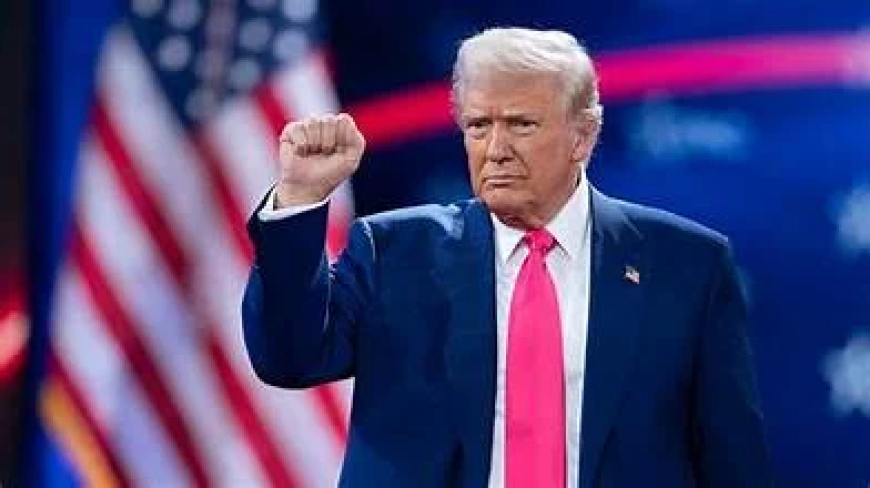
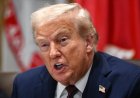
United States President Donald Trump has imposed sanctions on the International Criminal Court, vowing to cut off its resources and cripple its operations.
As reported by Reuters, US Secretary of State Marco Rubio announced the sanctions on Friday, accusing the court of targeting Americans and describing it as a “rogue court.”
“President Trump will never allow the International Criminal Court to prosecute Americans,” Rubio said in a statement.
“That is why, today, the United States is sanctioning the International Criminal Court. We will ban transactions with this rogue court, cutting off their resources and crippling its ability to operate,” he added.
The sanctions came amid Washington’s longstanding opposition to the ICC, particularly over its arrest warrants against Israeli officials, including Prime Minister Benjamin Netanyahu, and its past investigation into alleged crimes by US soldiers in Afghanistan.
The ICC’s Deputy Prosecutor, Nazhat Shameem Khan, condemned the move, saying it would not deter the court from carrying out its responsibilities.
“The sanctions are intended to undermine the rule of law internationally and the work that an independent judicial institution is doing,” Khan told Reuters.
Our work will continue across all our situations, our investigations and our prosecutions,” she added.
The ICC, established in 2002 to prosecute individuals accused of war crimes, crimes against humanity and genocide, has 125 member states, including all European Union countries.
The United States is not a member of the court, which is headquartered in The Hague, Netherlands.
The latest sanctions could have wider implications than previous US measures targeting individual ICC officials, as they could affect companies providing services to the institution.
US sanctions typically restrict American-based companies from conducting business with designated entities, potentially affecting banking, insurance and software services.
However, shortly after announcing the measures, the US Treasury issued four general licences allowing certain transactions involving the court’s telecommunications, software, pension payments and detainees.
The ICC had reportedly been preparing for possible sanctions against the institution by moving some office computers away from Microsoft software to open-source alternatives and making alternative arrangements for banking and health insurance.
Rubio said Washington had delayed the sanctions in the hope that the court and countries that are parties to its founding Rome Statute would address American concerns.
“Either the ICC will end its threats, or we will end the ICC,” he said.
“We expect our allies, many of whom are part of the ICC and that rely on American servicemembers for their defence, to rein in the court,” Rubio added.
The US secretary of state said the measures were structured to give ICC member states an opportunity to negotiate a resolution to Washington’s concerns.
Meanwhile, the sanctions announcement coincided with the awarding of the Nobel Peace Prize to South African jurist Navi Pillay, a former judge of the ICC Appeals Chamber who served from 2003 to 2008.
The Nobel committee said the award was intended to highlight the importance of international law at a time when judges and legal institutions were facing political pressure.
The development is expected to heighten diplomatic tensions between Washington and its European allies, many of which are members of the ICC.