Tinubu’s three-year debt spike is math, not new borrowing, presidency faults Obi
 admin
admin
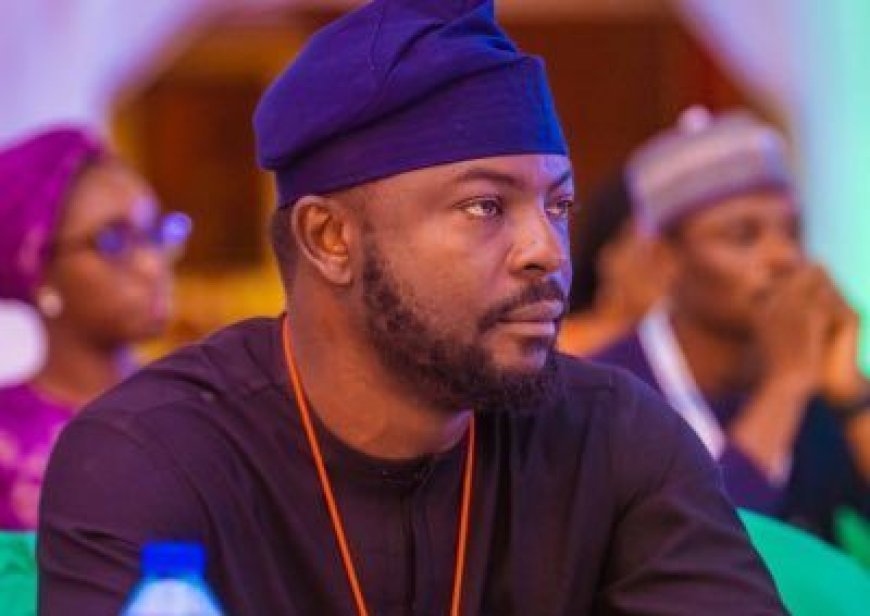
The Presidency has dismissed claims by the 2027 presidential candidate of the Nigeria Democratic Congress, Peter Obi, that the administration of President Bola Tinubu has accumulated more than N100tn in debt within three years, attributing the increase in Nigeria’s debt profile largely to the impact of naira devaluation.
Special Assistant to the President on Social Media, Dada Olusegun, stated this on Tuesday while responding to Obi’s criticism of the government’s borrowing record and fiscal management.
“For the umpteenth time, Nigeria’s obvious debt portfolio increase over the past three years under the administration of President Tinubu is not a function of new borrowings rather; vast majority of them are mathematical impacts of currency devaluation which you also promised to implement during your campaigns,” Olusegun said.
He argued that a significant portion of the country’s debt profile predated the current administration, noting that the government inherited about N20tn in Ways and Means debt, which was later securitised.
Tinubu’s three-year debt spike is math, not new borrowing, presidency faults Obi
June 9, 2026 3:54 pm
The Presidency has dismissed claims by the 2027 presidential candidate of the Nigeria Democratic Congress, Peter Obi, that the administration of President Bola Tinubu has accumulated more than N100tn in debt within three years, attributing the increase in Nigeria’s debt profile largely to the impact of naira devaluation.
Special Assistant to the President on Social Media, Dada Olusegun, stated this on Tuesday while responding to Obi’s criticism of the government’s borrowing record and fiscal management.
“For the umpteenth time, Nigeria’s obvious debt portfolio increase over the past three years under the administration of President Tinubu is not a function of new borrowings rather; vast majority of them are mathematical impacts of currency devaluation which you also promised to implement during your campaigns,” Olusegun said.
He argued that a significant portion of the country’s debt profile predated the current administration, noting that the government inherited about N20tn in Ways and Means debt, which was later securitised.
“In addition, this administration inherited a whopping ways and means debt of around 20trillion which was securitized to ensure swift repayment by the nation. This makes up a significant portion of the debts Mr Obi is claiming the administration has accumulated within three years,” he said.
Olusegun also maintained that Nigeria’s public debt figures include obligations incurred by state governments over the years and should not be attributed solely to the Federal Government.
Questioning Obi’s interpretation of the debt figures, the presidential aide said fluctuations in exchange rates significantly affect the naira value of external debt.
“If tomorrow, President Tinubu decides to fix the Naira against the dollar at N500/$ and the value of our debts in Naira drops drastically, will Mr @peterobi unequivocally agree that the President has repaid all of our debts?” he asked.
The aide further argued that Nigeria’s debt stock in dollar terms had remained relatively stable.
“Lastly, Nigeria’s debt in dollar value has remained relatively stable, ranging from $108bn in 2023 to $109bn in 2026. This tells the true story of the country’s debt levels,” he said.
Olusegun added that the country’s net external reserves had increased from about $3bn in 2023 to around $40bn in 2026, urging Obi to consider such indicators when assessing the economy.
The response followed comments by Obi, who criticised the Tinubu administration over what he described as excessive borrowing and poor fiscal accountability.
The former Anambra State governor said Nigeria’s total public debt had risen to about N200tn, which he attributed to what he called imprudent governance.
Obi had argued that the debt level represented an increase of more than N100tn in three years, contrasting it with the approximately N49tn accumulated during the eight-year administration of former President Muhammadu Buhari.