Port Harcourt refinery supplies diesel while shut – NMDPRA
 admin
admin
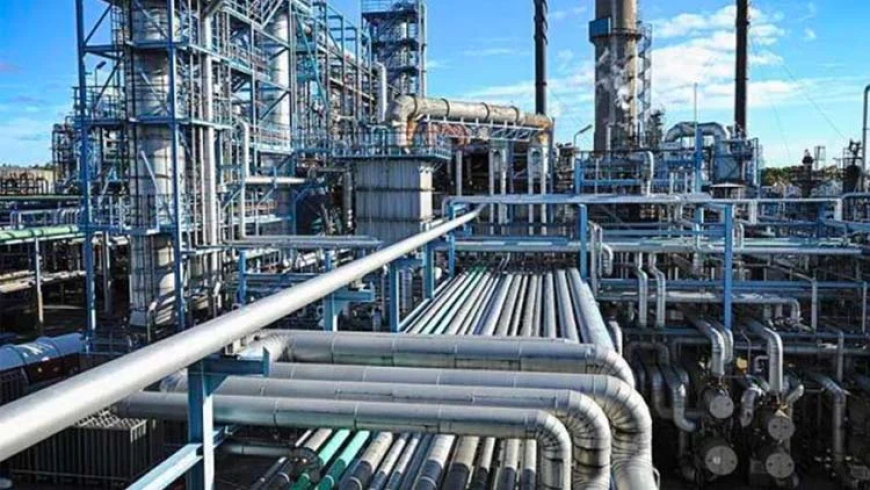
The Port Harcourt Refining Company, which is currently shut down, is still supplying 349,000 litres of automotive gas oil, otherwise known as diesel, daily, the Nigerian Midstream and Downstream Petroleum Regulatory Authority disclosed this in the latest data posted on its website.
According to the NMDPRA, the refinery, which the Nigerian National Petroleum Company Limited shut down on May 24, 2025, was still having diesel evacuated into the market daily as of November.
While stressing that there are no production activities at the refinery due to its current shutdown mode, the regulatory agency disclosed that the diesel produced before it was shut down was still being evacuated as of November.
“No production activities as the (Port Harcourt) refinery remained in shutdown mode. However, evacuation of AGO produced while the refinery was operational before 24th May 2025 continued at an average of 0.349 million litres/day,” the NMDPRA data read.
So This Happened (EP 360) reviews: Nigeria records ₦3.15tn trade deficit with US amid tariff hik
The shutdown of the Port Harcourt Refining Company for maintenance has entered its seventh month, and the plant has yet to resume operations.
recalls that the immediate past Chief Corporate Communications Officer of the NNPC, Olufemi Soneye, told our correspondent on May 23 that the refinery would be shut down for one month of maintenance.
On May 24, Soneye issued an official statement, announcing the shutdown of the refinery for maintenance. However, more than seven months later, the refinery has yet to start producing fuel.
The Port Harcourt refinery was declared operational by the former Group Chief Executive Officer of the NNPC, Mele Kyari, in November 2024, after years of inactivity.
Then, the NNPC boss said the 60,000-capacity refinery had resumed full operations. It said the newly rehabilitated complex of the old Port Harcourt refinery, which had been revamped and upgraded with modern equipment, was operating at a refining capacity of 70 per cent of its installed capacity.
The company added that diesel and pour fuel oil would be the highest outputs from the refinery, with a daily capacity of 1.5 million litres and 2.1 million litres, respectively.
This was expected to be followed by a daily output of straight-run gasoline (naphtha) blended into 1.4 million litres of premium motor spirit, 900,000 litres of kerosene, and 2.1 million litres of low-pour fuel oil. It was stated then that about 200 trucks of petrol would be released into the Nigerian market daily.
However, six months after the much-publicised rehabilitation completion and resumption of production, the facility was locked again.
Similarly, the Warri Refining and Petrochemical Company, which was declared open by Kyari in December, was shut down a month later.
On his assumption of office, the new Group Chief Executive of the NNPC, Bayo Ojulari, said he studied the condition of the Port Harcourt refinery and discovered that the country was running it at a loss.
Ojulari had stated that the refinery was losing as much as $500m every month on operations before rehabilitation works were suspended. According to Ojulari, the refinery was pumping about 50,000 barrels of crude, but less than 40 per cent of the equivalent of what was going in was being processed effectively.
He said, “When I resumed, one of the first priorities I focused on was the refinery. I did a quick review to see if we could quickly fix it. What I found is that we were losing between $300m and $500m on a monthly basis. The first thing we said was, ‘Rather than continue to lose, let’s quickly stop and look for a way to put this refinery into a sustainably profitable venture.”
The Petroleum Products Retail Outlets Owners Association of Nigeria has called for the privatisation of Nigeria’s four state-owned refineries, urging the Federal Government to transparently conclude the process by the first quarter of 2026.
The association said the timely privatisation of the refineries operated by the Nigerian National Petroleum Company Limited would eliminate the recurring fiscal burden on the government, improve operational efficiency, attract private capital and technical expertise, and align Nigeria’s refining sector with global best practices.
But Ojulari has once rejected calls for the sale of the refineries, expressing confidence that the three plants would be revamped. According to him, the ongoing technical and commercial review is part of a broader plan to reposition the refineries as sustainable, revenue-generating assets that can meet Nigeria’s fuel demand and align with international operational standards.