Nigerian-made lace should not be called Austrian — Bakare-Yusuf
 admin
admin
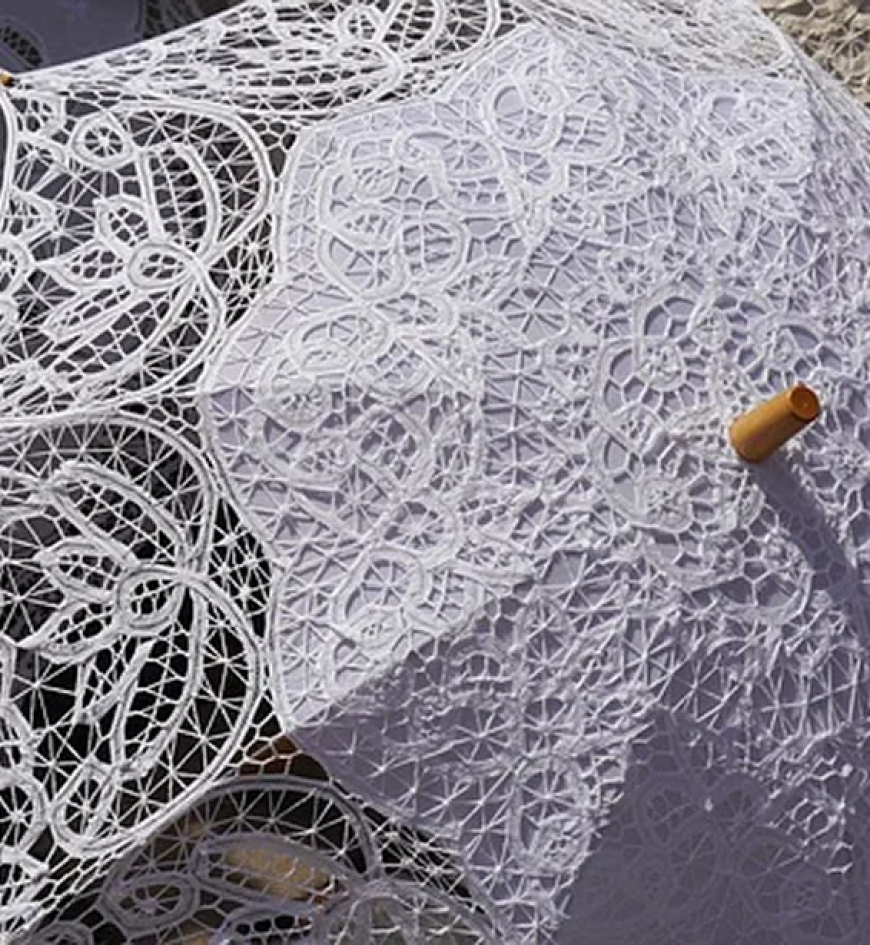
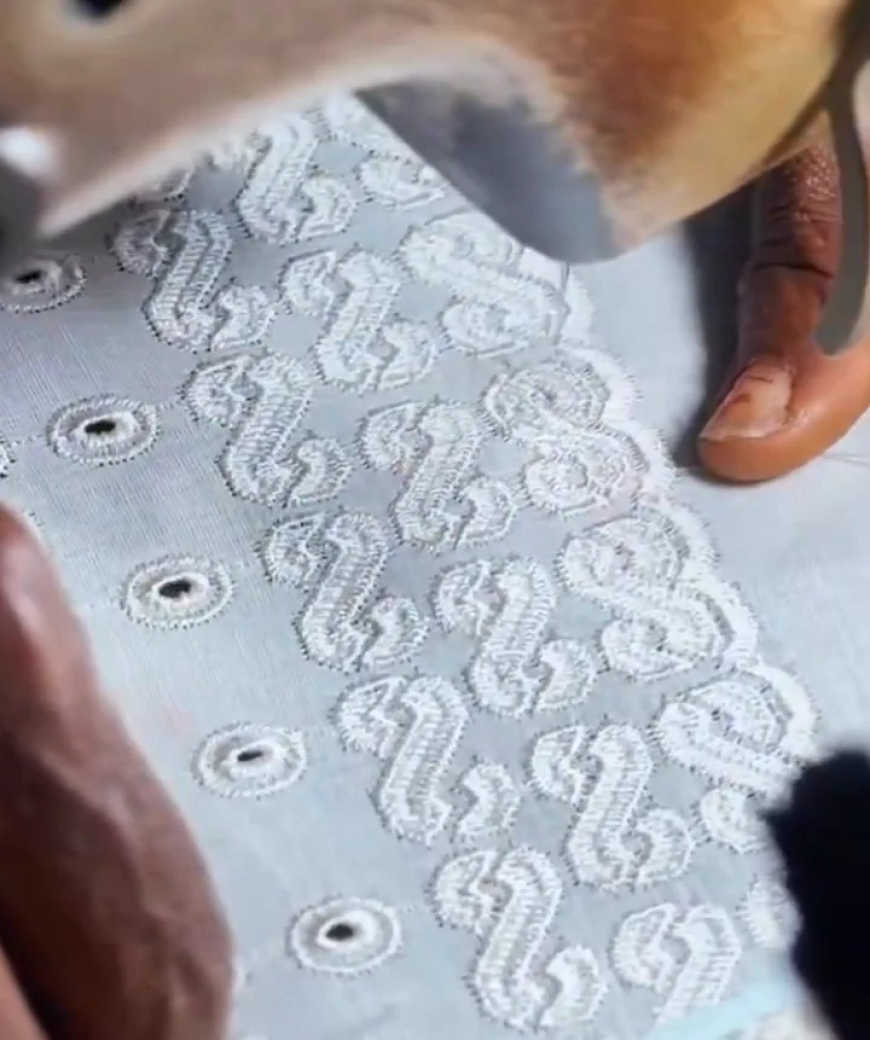
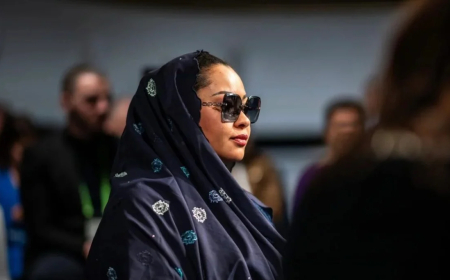
Broadcast journalist and founder of the Purple Woman Foundation, Ireti Bakare-Yusuf, has called for Nigerian-made lace to be recognised as a Nigerian product, saying the country played a pivotal role in the development of the lace industry.
Our correspondent on Saturday noted that Bakare-Yusuf made the call during an interview with ARISE News, where she challenged the perception that lace manufactured in Nigeria should be identified as Austrian simply because some of the materials used in its production were imported.
“It is not Austrian lace made in Nigeria. It is Nigeria-made lace,” she said.
She said Nigeria’s role in the lace industry was significant and should be properly documented, particularly its contribution to the trade and manufacture of lace.
They wanted to do a history about the fact that the Austrians were denying Nigeria’s involvement, indeed the critical involvement, in fact, the pivotal involvement of Nigeria in the lace industry,” she stated.
Bakare-Yusuf also pointed to Lagos’ long-standing association with the lace trade, identifying Gotà as a major centre for lace sales.
She asserted, “If you are a Lagos person, you would know that Gotà is the home of lace. That’s where you sell this.”
She explained that although some Nigerian manufacturers imported materials such as yarn, the production and workmanship took place in Nigeria.
She further stated, “Rudy used to import some of the yarns and stuff like that. But the workmanship is Nigerian.”
Bakare-Yusuf cited Supreme Lace as an example of a product whose Nigerian manufacturing origins, she said, were not always recognised.
“Many people will know what Supreme Lace is. It’s just that many would have been fooled to think it was made in Austria, not in Agege,” she explained.
She called for greater ownership and recognition of Nigeria’s contribution to the lace industry.
She pleaded, “We need to make it ours.”
Bakare-Yusuf also drew attention to the production of a documentary about the history of lace and Nigeria’s role in the industry.
Austria paid for that documentary. That’s our story. Nigeria didn’t pay for it,” she concluded.