Lagos women decry water scarcity
 admin
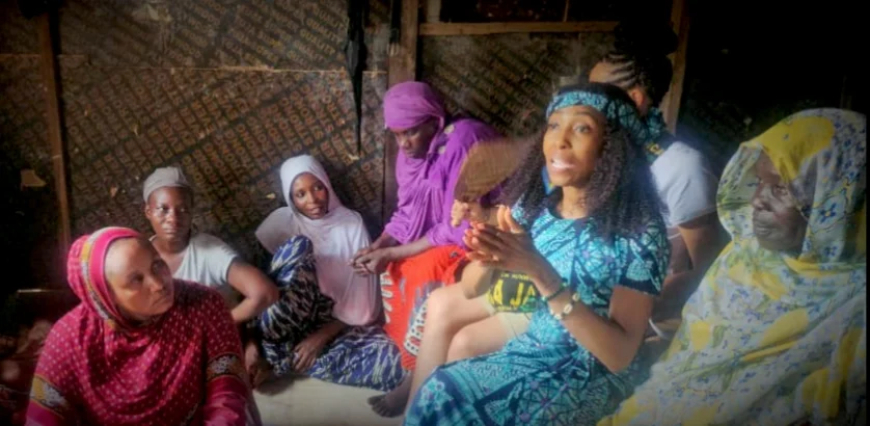
Women in Opebi Valley, Ikeja, Lagos State, have raised concerns over what they described as persistent water scarcity and their exclusion from decisions on public resources, calling for greater accountability and community participation in water governance.
The women, who said many of them were displaced from their original land during a previous state-led eviction, stated that the lack of reliable water supply had worsened their living conditions, affecting household incomes, health, safety and livelihoods.
They raised their concerns during a community-building session organised on Tuesday by the Help Initiative for Social Justice and Humanitarian Development, under the auspices of the Africa Water Justice Network.
The initiative, according to the group, seeks to strengthen grassroots organising, promote feminist political education and empower communities to challenge inequalities affecting access to water and participation in decisions concerning public resources.
Speaking at the engagement, the Director and Lead Campaigner of the organisation, Aderonke Ige, said the programme was part of its Women Organising for Water Justice, Public Power and Collective Liberation initiative.
At the heart of the initiative is a simple but powerful conviction that communities, especially women, must not remain passive recipients of decisions made about their lives; they must have the knowledge, collective organisation, and political power to contribute in shaping those decisions,” Ige said.
Speaking on behalf of others, a resident, Fatima Aliyu, said water insecurity placed a disproportionate burden on women and girls, whose responsibilities in sustaining households often increased when access to essential services was inadequate.
She lamented that despite bearing much of the burden associated with water shortages, women remained underrepresented in decisions concerning water provision and governance.
Another resident, Zainab, who carried a toddler on her back, also decried the scarcity of water in the community, saying residents were often treated as the “forgotten ones”.
The group said its engagement with women in Opebi Valley and Epe was designed to connect residents’ everyday experiences of water insecurity with broader issues of gender justice, public accountability and control over essential resources.
Ige said the organisation would deepen its engagement with community women, stressing that sustainable change required more than awareness campaigns.
According to her, residents need to understand the systems responsible for their experiences, identify those accountable for public service delivery, build solidarity and organise collectively to demand improvements.
She said planned activities under the initiative included community listening sessions, political education, participatory water mapping, grassroots documentation, public mobilisation and advocacy engagements.
Ige added that the activities would generate community-led evidence and create opportunities for residents, particularly grassroots women, to participate meaningfully in decisions affecting their lives.
She urged the government to stop treating women merely as beneficiaries of development programmes and instead recognise them as rights-holders, community educators and accountability actors whose contributions should inform public policy and governance.
The organisation maintained that empowering women to participate in water governance was essential to addressing inequalities in access to essential services and ensuring that community needs were reflected in public decisions.