Canada raises study permit, visitor visa processing times for Nigerians
 admin
admin
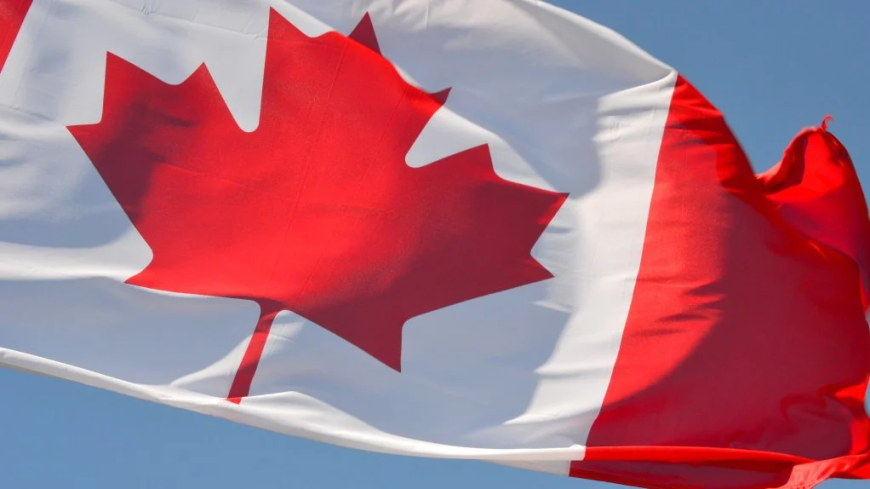
Nigerians applying to study or visit Canada are facing longer estimated processing times, following the latest update by Immigration, Refugees and Citizenship Canada.
The processing time for study permits submitted from Nigeria increased from nine weeks to 10 weeks as of September 16, according to the latest figures released by IRCC.
The estimated processing time for visitor visas also increased from 84 days to 87 days.
The figures, compiled by CIC News, were contained in IRCC’s latest temporary residence processing-time update, published on September 16.
However, the estimated processing time for work permits submitted from Nigeria remained unchanged at 10 weeks.
For super visa applicants in Nigeria, the estimated processing time increased from 44 days to 46 days.
IRCC updates its temporary residence processing estimates weekly. The figures are estimates of how long it may take to process an application and are not fixed deadlines or guarantees.
The department said processing times could vary depending on factors including the type of application, the volume of applications being processed and the complexity of individual cases.
For visitor visa applications, IRCC said processing may also take longer where applicants are asked to provide additional documents, attend an interview, undergo a medical examination or submit a police certificate.
The latest figures show that applicants from some other countries also experienced changes in processing times.
For study permits, the estimate for applicants in Canada increased from seven to eight weeks, while those applying from India, Pakistan, the United States and the Philippines remained unchanged.
For visitor visas, applicants from Pakistan saw an increase from 73 to 75 days, while the estimate for India fell from 31 to 29 days.
The processing time for super visas in Nigeria rose slightly, while the estimate for applicants in the United States increased from 66 to 116 days. Applicants from Pakistan, however, saw their estimate fall from 132 to 95 days.
IRCC said processing times are different from its service standards, which are targets for how quickly it aims to process applications under normal circumstances.
The department also cautioned that individual applications could take either longer or shorter than the published estimates.
IRCC’s processing-time tool is updated regularly and applicants can use it to check the latest estimates for their application type and country.