Blackout as Nigeria’s power grid collapses for first time in 2026
 admin
admin
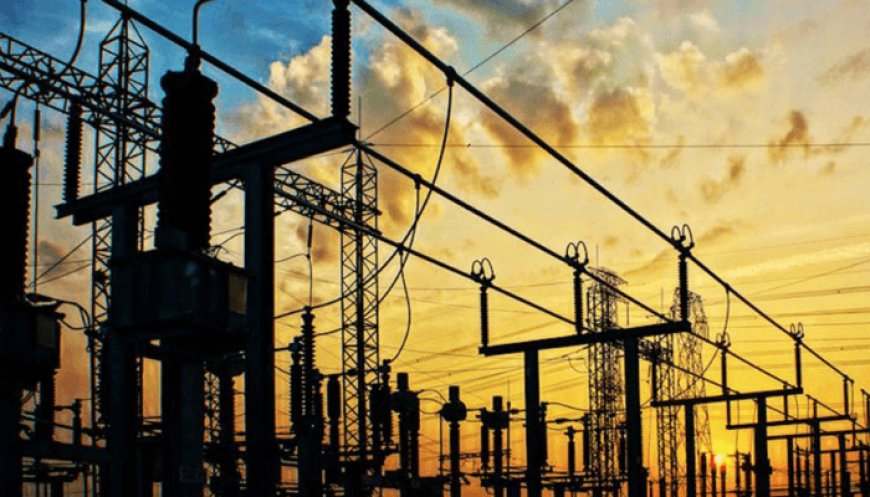
Nigeria’s electricity grid collapsed Thursday morning, plunging Africa’s most populous nation into darkness for the first time in 2026 and reviving questions about the country’s chronically unstable power infrastructure.
The national grid failed at approximately 11:40 a.m, Nigerian time, according to data gathered by BusinessDay.
BusinessDay’s check on the national distribution load profile at 1 pm showed that all distribution companies (DisCos), including Abuja, Eko, Benin, Enugu, Ibadan, Jos, Kano, Kaduna, , Port Harcourt, and Yola, had 0 load.
The outage came shortly after operators reported robust demand across major urban centres, with Abuja Electricity Distribution Company receiving 639 megawatts and Ikeja Electric drawing 630 megawatts before the system went down.
The Nigerian Independent System Operator (NISO), which operates the grid, has not stated the cause of the failure. Restoration efforts are underway, though the timeline for full recovery remains unclear. NISO could not immediately be reached for comment.
The collapse marks a troubling continuation of reliability problems that plagued Nigeria’s power sector throughout 2024, when the grid failed nine times. Those repeated outages disrupted businesses, hospitals, and households across the nation of more than 200 million people, most of whom already face daily power shortages even when the grid operates normally.
While much of the country went dark, residents of Aba in Abia State continued to enjoy uninterrupted electricity.
The city of roughly 900,000 people operates independently from the national grid through Geometric Power’s 188-megawatt plant and a distribution network equipped with smart meters. The private system has delivered consistent power even as the broader national infrastructure repeatedly fails.
The stark contrast between Aba’s reliability and the national grid’s persistent instability has intensified calls for Nigeria to accelerate the decentralisation of its power sector. Energy analysts and business groups have urged the government to replicate the Geometric Power model in other cities and regions.
Nigeria generates only a fraction of the electricity needed for its economy and population. Even when the grid operates, total generation typically hovers between 4,000 and 5,000 megawatts, far below the estimated 30,000 megawatts required to adequately serve the country. Businesses and wealthier households rely heavily on diesel and petrol generators, adding to operating costs and environmental pollution.
The power sector remains partially privatised following reforms initiated over a decade ago, with generation and distribution in private hands while transmission stays under government control through NISO. Critics say the transmission network represents the system’s weakest link, citing ageing infrastructure, inadequate maintenance, and underinvestment as chronic problems.
culled from BusinessDay