88,000 Nasarawa women used SFH family planning services
 admin
admin
No fewer than 88,013 women from across the 13 Local Government Areas of Nasarawa State have accessed the various family planning methods within a period of five years in the state.
This feat followed efforts by the Society for Family Health’s IntegratE 2.0 Project, in collaboration with the Nasarawa State Ministry of Health aimed at tackling child and maternal mortality in the state, among other risks associated with pregnancy and child birth.
The State Team Lead of Society for Family Health, Emmanuel Odiniya stated this during the IntegratE 2.0 end-of-project dissemination meeting on Thursday, in Lafia, the state capital.
Arewa PUNCH reports that the event was themed: “Strengthening Health Systems Through Partnership, Innovation and Lasting Legacy.”
Odiniya noted that the project which is a five-year initiative, was expected to last between 2021 to 2026.
According to him, the initiative, 350 service providers including Community Pharmacists and Patent and Proprietary Medicine Vendors were trained to administer injectable contraceptives and insert implants.
“24,595 of the women who were offered different family planning services were new clients who may not have access to family planning services if the service providers were not trained,” he disclosed.
He explained that the feat was achieved through the Society for Family Health’s IntegratE 2.0 Project in Collaboration with Nasarawa State Ministry of Health, and sponsored by the Gates Foundation.
“The trained personnel distributed 1,516,833 condoms, administered 13,912 injectables, gave 50,401 oral pills and inserted 2,222 implants on the women interested in family planning within the year under review,” he added.
On his part, the Managing Director of Society for Family Health, Dr. Omokhudu Idogho, appreciated the Nasarawa State Government for the partnership and commended the providers for high performance towards reducing maternal and infant mortality rates in the state.
He pointed out that the providers were trained to offer family planning counselling, refill oral contraceptives, administer injectables, insert implants and remove them as well as give referrals to Primary Healthcare Centres in matters they cannot handle.
He appealed to the state government to own the process and ensure sustainability of the initiative now that their project has come to an end, in order to continue to improve health indices in the state.
In his opening remarks, the State Commissioner for Health, Dr. Gaza Gwamna appreciated the SFH and other partners for complementing the efforts of the state government in ensuring that the entire residents continue to remain healthy.
He noted that the partnerships has helped in the training of more manpower and creating the needed links for referral by CPs and PPMVs to the primary or secondary healthcare facilities for proper handling.
The Commissioner further explained that the partnerships had greatly helped in curtailing maternal and infant mortality rates, thereby improving the health indices of the state.
Gwamna also promised that the state government would take ownership of the initiative because the provision of affordable and accessible quality healthcare services is one of the top priorities of the Governor Abdullahi Sule’s led-administration.
Emmanuel Ede, a pharmacist and trained provider, who spoke at the event, appreciated the SFH and Nasarawa State Government for equipping them with the requisite knowledge to offer contraceptive and some Primary healthcare services.
He revealed that there was a wide gap between the training he received as a pharmacist and the training under the IntegratE project as a community pharmacist.
Ede, therefore said that the impact and benefits of the IntegratE training were really huge for the clients and had greatly helped in tackling maternal mortality rates in the state.
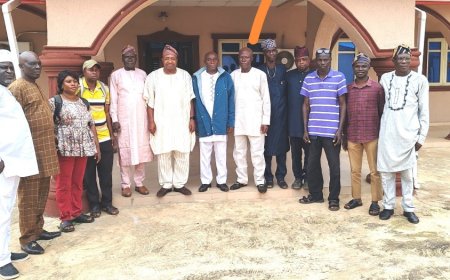
Arewa PUNCH reports that the event brought together key stakeholders, government representatives, development partners, implementing partners, and other relevant stakeholders, who shared key findings, achievements, lessons learned, and recommendations from the five-year project.