Power crisis: 11 firms spend N842bn on energy
 admin
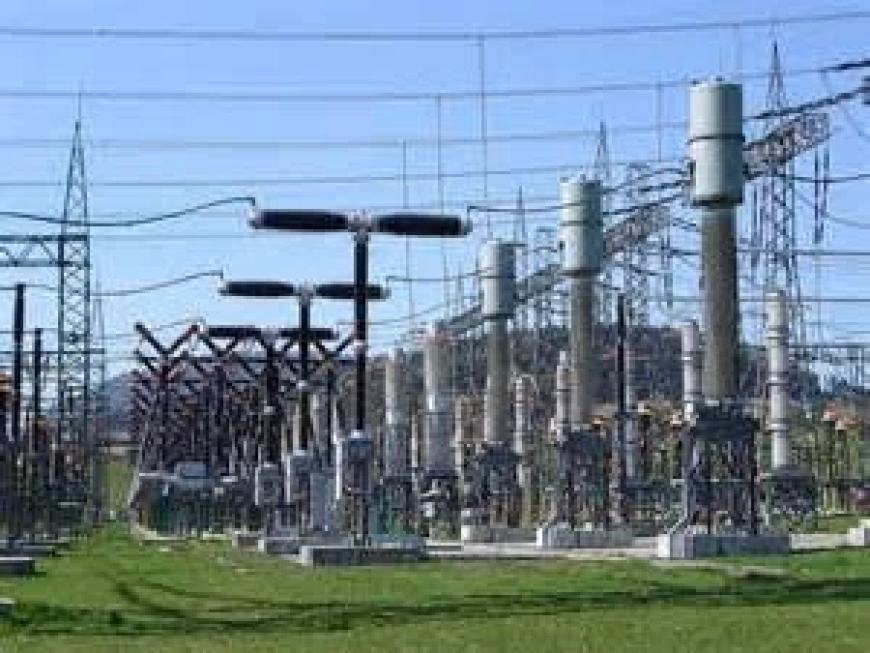
Eleven manufacturing firms listed on the Nigerian Exchange spent about N841.99bn on energy in the first nine months of 2026, up 7.4 per cent from N784.08bn in the corresponding period of 2025. This indicates energy cost challenges that have prevailed in the productive sector, leading manufacturers to decry the crisis.
The PUNCH analysed the companies’ unaudited financial statements for the period ended September 30, 2026, covering electricity, power, diesel, fuel, petrol, gas and energy lines in the firms’ factory and administrative costs.
Cement producers took most of the spending. Dangote Cement and BUA Cement together spent N797.44bn, or 94.7 per cent of the total, compared with N747.33bn a year earlier.
BUA Cement posted the biggest naira increase. Its energy bill rose by N38.59bn, or 21.6 per cent, to N216.95bn from N178.36bn. Its cost of sales took N216.62bn of that. The company also spent N329.58m on energy in administration, 161 per cent more than the N126.28m it spent in 2025
Dangote Cement’s group fuel and power cost rose by two per cent to N580.49bn from N568.97bn.
Outside cement, the pressure was sharper. The other nine firms spent N44.55bn on energy, up 21.2 per cent from N36.75bn.
UAC of Nigeria recorded the steepest rise in percentage terms. Its electricity and power cost jumped 172.1 per cent to N13.24bn from N4.87bn.
BUA Foods spent 32.8 per cent more on diesel, fuel and electricity, at N938.98m against N707.13m. Meyer’s fuel and lubricants bill rose 23.8 per cent to N19.99m from N16.15m.
Dangote Sugar Refinery’s petrol and oil cost climbed 22.3 per cent to N317.50m from N259.71m, while Champion Breweries’ energy and water cost rose 20.8 per cent to N2.54bn from N2.11bn.
NASCON Allied Industries’ petrol and oil spending edged up two per cent to N94.13m from N92.24m.
Three firms cut or held their energy spending. Beta Glass reduced its fuel, gas and electricity cost by 5.3 per cent to N23.22bn from N24.52bn.
Fidson Healthcare’s energy spending was flat at N4.18bn against N4.19bn. Its factory energy cost fell two per cent to N3.92bn, but its administrative diesel and fuel bill rose 37.4 per cent to N264.55m. MeCure Industries’ gas factory expense fell to N203,000 from N277,000.
Triple Gee and Company spent N62.03m on electricity and power in its period ended 30 September, 2026, up 60.4 per cent from N38.68m a year earlier. The firm’s financial year ended in March, so its figures are not comparable with the nine-month data and are excluded from the totals above. However, the spending still constitutes an energy cost.
The data matches manufacturers’ complaints that they bear the burden of unreliable grid supply.
The Director-General of the Manufacturers Association of Nigeria, Segun Ajayi-Kadir, said members’ spending on self-generated power rose every year from 2023 to 2025, despite the introduction of the Band A tariff category.
Ajayi-Kadir said MAN members spent less than N800bn on generating their own power in 2023. He said the figure rose to N1.1trn in 2024, when Band A took effect, and to N1.35trn in 2025.
He spoke recently as a panellist at the FATE Institute’s 12th Policy Dialogue Series on Leadership.
“So you can see progressively, Band A has not helped,” Ajayi-Kadir said.
He said manufacturers care less about the source of their power than about its terms. “To a manufacturer, it is irrelevant what kind of source of energy you are getting basically – either from the national grid or from gas or any other means. What is important is how reliable it is. Is it predictable?” Ajayi-Kadir remarked.