Kaduna Psychiatric Hospital rolls out virtual consultations for patients
 admin
admin
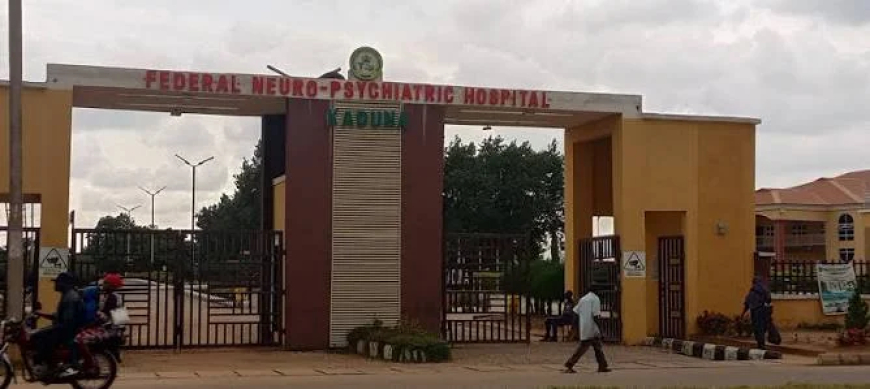
Patients of the Federal Neuropsychiatric Hospital, Kaduna, will no longer have to travel long distances for every psychiatric consultation and follow-up as the hospital has launched a telepsychiatry service that allows them to access specialist care from their homes.
The initiative, according to the hospital, is designed to reduce the financial and geographical barriers confronting patients who travel from distant parts of Nigeria and neighbouring countries to access mental healthcare.
The Medical Director of the hospital, Prof. Aishatu Armaya’u, disclosed this on Wednesday during a strategic media engagement and the official launch of the hospital’s new patient cards, telepsychiatry service and other digital innovations in Kaduna.
Armaya’u said many patients and their relatives were forced to spend heavily on transportation, accommodation and feeding whenever they visited the hospital for consultations and follow-up.
She said the new platform would enable patients to remain in their communities while receiving specialist care from healthcare professionals at the hospital.
“This is my dream in the next 20 years, to see the impact of what we have done today transferred across the globe, where a patient can stay in the hospital to have affordable, available and accessible mental healthcare at home,” the medical director said.
Armaya’u explained that the telepsychiatry platform was not designed as a doctor-only service, but as a coordinated digital healthcare system involving different categories of professionals.
This is a coordinated service. It is not just the doctor that will be involved,” she said.
According to her, doctors, nurses, pharmacists, laboratory scientists, health information managers and administrators would participate in the digital care process.
She said patients would be able to schedule appointments, give the required consent, make payments and receive consultations without necessarily travelling to the hospital for every appointment.
Armaya’u said the system would also help the hospital plan its services because healthcare workers would know in advance the number of patients expected for virtual consultations and the nature of their medical needs.
She said the initiative was part of the hospital’s wider plan to decentralise mental healthcare and integrate psychiatric services into primary healthcare facilities across Kaduna State.
The medical director explained that patients whose conditions could be managed at the community level would no longer need to repeatedly travel to the specialist hospital.
She said the arrangement would enable the hospital to concentrate more on new patients and those requiring specialised or complex interventions.
This is not a new thing. Mental health is part and parcel of the primary healthcare package,” Armaya’u said.
She, however, noted that the challenge had been the effective incorporation of mental healthcare into primary healthcare facilities.
“We are working with the relevant authorities to ensure that mental health services are incorporated into primary healthcare,” she said.
Armaya’u added that the arrangement would allow specialists at the Federal Neuropsychiatric Hospital to provide support to healthcare workers in other locations through telemedicine.
She said, “Our specialists can support healthcare workers in those centres. They do not necessarily have to bring every patient to the specialist hospital.”
According to her, the approach would reduce pressure on the hospital and create more opportunities for its professionals to engage in research, training and the management of complicated cases.
The medical director said the digital transformation became necessary because geographical distance and the cost of accessing healthcare remained major obstacles for some psychiatric patients.
She said, “Some of our patients come from very far places. Some come from other states and even neighbouring countries. They spend money on transportation, accommodation and feeding just to come for follow-up.”
Armaya’u said the telepsychiatry service would therefore provide an alternative for patients who did not require physical examination during every visit.
She, however, stressed that the new service would not eliminate the need for physical consultations.
“Where physical assessment is required, the patient will still have to come to the hospital. Telemedicine is not a replacement for every form of clinical care,” she said.
The hospital also launched new patient cards as part of its digital transformation programme.
Armaya’u said the cards would improve patient identification, records management and continuity of care.
She said the reforms were aimed at building a mental healthcare system that would be “more accessible, affordable and responsive” to patients’ needs.