Gbenga Daniel’s Senate Intervention Breaks 50-Year Deadlock In Ogun-East Land Dispute
 admin
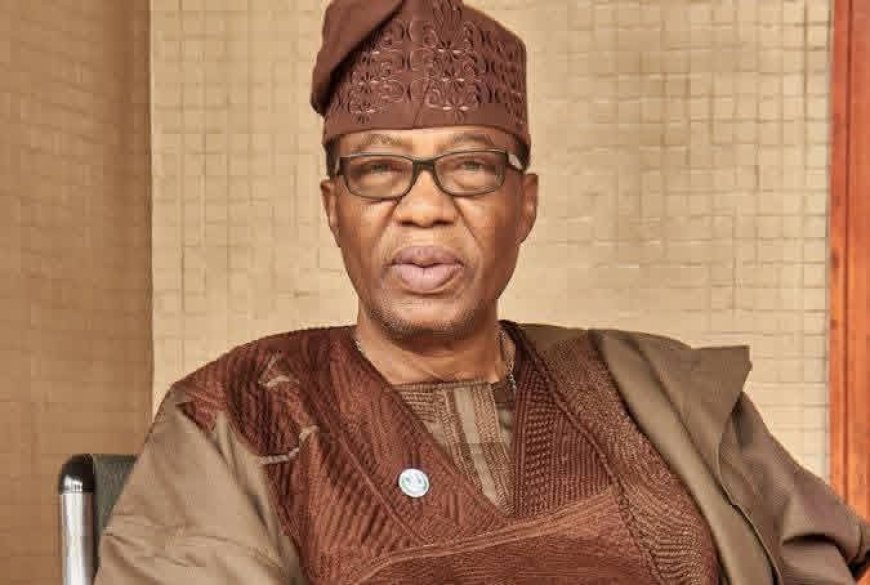
A renewed push by Senator Otunba Gbenga Daniel to resolve the protracted land dispute between Apunren-Ijebu and Ijebu Imusin communities in Ogun State has raised fresh hopes of a lasting settlement, following reports that the Nigerian Army has agreed in principle to release between 45 and 50 per cent of the disputed territory.
The development emerged on Monday, November 23, 2026, during an investigative visit by the Senate Committee on Ethics, Privileges and Public Petitions to the affected communities. The visit followed a petition presented by Senator Daniel, representing Ogun East Senatorial District, seeking the intervention of the National Assembly in the nearly five-decade dispute over land acquired in 1977 for the Nigerian Army Sappers Barracks at Ilese-Ijebu.
The reported concession represents a potentially significant development in the communities' longstanding agitation for the recovery of portions of their ancestral land. However, the proposed release is still subject to definitive boundary demarcation, formal documentation and the necessary legal and administrative procedures.
Speaking during the visit, Senator Daniel explained that his decision to bring the matter before the Senate was informed by the prolonged concerns of the affected communities and the need for an institutional resolution to an issue that had remained unresolved for almost 50 years.
He disclosed that following the presentation of his petition, the Senate President, Senator Godswill Akpabio, authorised the intervention of the relevant Senate committee to investigate the matter and facilitate a possible resolution.
Daniel also recalled his earlier engagements with the Chief of Army Staff ahead of the Senate hearing held on April 23, 2026, noting that the discussions provided an avenue for dialogue between the military authorities and representatives of the affected communities.
The intervention has brought the matter to the attention of the National Assembly, creating an opportunity for the outstanding issues to be examined through the legislative process and for both parties to work towards an acceptable settlement.
At the meeting, the Oloko of Ijebu Imusin, Oba Stephen Adedeji Onafowokan, provided historical context to the dispute, maintaining that the 1977 land acquisition substantially affected the ancestral territories of both communities and alleging that the affected people were not adequately consulted before the exercise.
The monarch stressed that the communities' principal demand was not financial compensation but the restoration of portions of their ancestral heritage.
He also recalled the establishment of an Army panel in 1991, reportedly chaired by the late Major General T.B. Ogundeko, which, according to him, recommended the return of between 70 and 75 per cent of the acquired land after determining that the Army required only about 25 to 30 per cent for its operational purposes.
Oba Onafowokan lamented that the recommendations were never implemented, allowing the disagreement to persist for decades.
Providing further insight into the negotiations, retired Major General Otunba Samson Adewunmi Odunsi, the Jagunmolu of Ijebu Imusin and Chairman of the joint De-acquisition Committee, said the communities had consistently pursued a peaceful and conciliatory approach in their dealings with the military.
Odunsi acknowledged that a sustainable agreement would require compromise from both sides. He expressed optimism that the reported 45 per cent concession could be reviewed upwards if additional areas, including some open spaces allegedly excluded from the initial assessment, were taken into consideration.
Describing the socioeconomic consequences of the prolonged dispute, the retired general said restrictions on the affected land had constrained the communities' ability to build homes, establish industries and undertake essential development projects.
"We are like people in refugee in our own land," he lamented.
He described the current intervention as a renewed opportunity to resolve an issue that had burdened the communities for nearly five decades.
Importantly, Odunsi clarified that the communities were not seeking the withdrawal of the Nigerian Army from the area. Rather, they wanted a mutually beneficial arrangement that would recognise their ancestral land interests while allowing the military to continue discharging its security responsibilities and contributing to the local economy.
"We still want the Army. We want the Army for security, for economy, for everything. We want them, we want each other," he said.
He also acknowledged the Federal Government's attention to the matter, describing the current engagements as an opportunity to move beyond years of disagreement towards a negotiated settlement.
The Chairman of the Senate Committee, Senator Neda Imasuen, commended Senator Daniel for bringing the matter before the Senate and pursuing the legislative intervention. He described the committee's visit as an important step in examining the grievances of the affected communities and identifying possible pathways towards resolution.
Imasuen also expressed concern over allegations that the Alapunren's palace was included within the territory claimed by the Army. He urged the two communities to maintain unity and avoid internal disagreements capable of undermining their collective position during the ongoing negotiations.
The Chairman of Ijebu North-East Local Government, Prince Badejo Irede, was among the dignitaries present at the engagement, which brought together community representatives, traditional rulers and other stakeholders.
The Senate committee is expected to compile its findings and submit a report to the Senate for further consideration.
For Senator Daniel, the legislative process represents an effort to translate the longstanding concerns of his constituents into an actionable institutional intervention. His petition and subsequent engagements have placed the dispute before the Senate, providing a formal platform for the communities' grievances to be examined and addressed.
While the reported willingness of the Army to release between 45 and 50 per cent of the disputed land offers grounds for cautious optimism, the actual resolution will depend on the conclusion of negotiations, agreement on the precise boundaries, formal de-acquisition and the completion of all relevant legal procedures.
After nearly five decades of uncertainty, the people of Apunren-Ijebu and Ijebu Imusin are looking towards a settlement that will restore their legitimate land interests, unlock opportunities for development and preserve a constructive relationship with the Nigerian Army.
The latest Senate intervention has therefore opened a fresh chapter in the search for a lasting resolution, with Senator Otunba Gbenga Daniel's petition providing the legislative impetus for renewed engagement between the affected communities and the military.