Ex-Imo gov candidate urges modernisation of Igbo apprenticeship system
 admin
admin
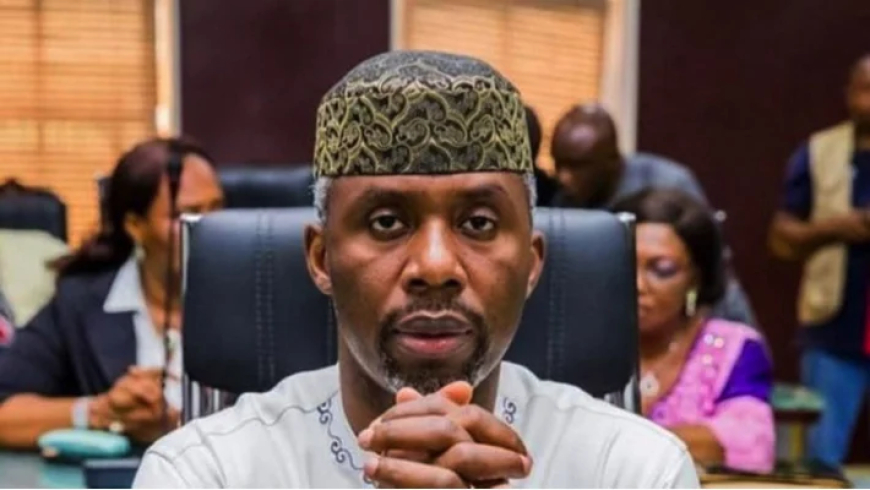
A former governorship candidate in Imo State, Uche Nwosu, has called for a comprehensive overhaul of the traditional Igbo apprenticeship system.
The former Chief of Staff to former Imo State Governor Rochas Okorocha also urged Igbo professionals across the world to embrace mentorship and entrepreneurship as tools for securing the economic future of the younger generation.
In a statement issued in Abuja on Sunday, Nwosu made the call while speaking at the 2026 Igbo National Convention organised by Igbo Union Canada on Saturday.
He described the apprenticeship model as one of the greatest expressions of Igbo enterprise and resilience but stressed that it must evolve to meet the demands of the modern economy.
Nwosu noted that long before concepts such as mentorship, startup incubation, venture funding and business networking became popular globally, the Igbo people had already institutionalised similar principles through Igba Boi, Imu Ahia and Imu Oru.
“A young person entered the home or business of an experienced entrepreneur, not merely as a worker, but as a future business owner.
“At the end of the agreed period, the master did not simply hand over a certificate. The master provided a pathway into business through capital, goods, equipment, business contacts or access to customers,” he said.
He described the willingness of successful entrepreneurs to train future competitors as the defining strength of the system.
“The greatest beauty of the system is this: a successful master deliberately trains someone who may one day become his competitor.
It is a system where success is not complete until another person has been raised. It reflects one of the deepest principles of our people: Onye aghana nwanne ya—let no one leave his brother or sister behind,” Nwosu said.
Reflecting on the period after the Nigerian Civil War, Nwosu said the apprenticeship system played a critical role in rebuilding the Igbo economy by transforming young people into traders, manufacturers, craftsmen, transporters, importers and employers.
However, he acknowledged that the model has significant shortcomings that must be addressed.
“The system is not without its shortcomings. Some apprentices served faithfully but were never settled. Some agreements existed only in verbal promises and fading memories. Some young people experienced exploitation instead of mentorship. Women and girls were often excluded from opportunities,” he said.
He added that many apprentices are still not being equipped with the technology, financial management and digital marketing skills needed to compete in today’s global economy.
Nwosu advocated reforms, including written apprenticeship agreements, structured learning plans, transparent settlement arrangements, safe working conditions, certificates of completion and effective dispute-resolution mechanisms.
He also called for greater inclusion of women in the apprenticeship system.
“The future of Igbo enterprise cannot be built while excluding half of our talent. Our daughters must have equal access to these opportunities,” he said.